Hoodoo love spells are the courtship, marriage and reconciliation workings of Hoodoo, also called rootwork or conjure, a spiritual practice that African Americans built in the Southern United States from African, Native American and European sources. Classic examples include honey jars, mojo bags, dressed candles and lodestones. Here they are described as history and tradition, and none of them comes with a promised result.
This page covers what Hoodoo is, how it differs from Voodoo, the classic workings behind hoodoo love spells and what their materials mean, how to practice with respect, and where Baba Ali Musa’s Senegalese lineage touches Hoodoo and where it does not.
What are hoodoo love spells?
Practitioners seldom say “spell.” They talk about work, workings, fixing and doing for someone. The person who does the work is a rootworker, a conjure doctor or a root doctor, and the knowledge usually came through a family, a neighbor or an apprenticeship. The National Park Service describes Hoodoo as a spiritual tradition created by enslaved African Americans and inspired by Central and West African religious practices (National Park Service).
Love was always on the list of reasons people sought a rootworker, next to money, health, luck and protection. The requests were ordinary ones: a courtship that had stalled, a marriage gone cold, a quarrel that would not end, a spouse whose attention had wandered. Hoodoo love spells are the practical answers the tradition developed for those problems.
The materials are ordinary too. Honey and sugar from the kitchen. A scrap of paper with a name on it. A flannel bag. A candle. A line of scripture. Roots and herbs, gathered or bought. What the rootworker brought was knowledge of what to combine, what to say over it and when to do it.
Hoodoo is not a religion with temples and a formal priesthood, and many rootworkers have been Christians who kept the Bible close while they worked (Hoodoo on Wikipedia). That is one of the things that separates it from Vodou, which gets its own section below.
Where does Hoodoo come from?
Most of its roots are in West and Central Africa, with a strong influence from the Bakongo people of the Kongo region. Enslaved people carried ideas about charged objects, herbs, the dead and the crossroads across the Atlantic. In the American South they learned the local plants, drawing on Indigenous knowledge, and later European folk magic and printed books joined the mix. One of them, The Sixth and Seventh Books of Moses, was sold cheaply in spiritual shops near Black neighborhoods in the twentieth century. The Wikipedia article on Hoodoo covers each of these strands.
Christianity shaped the practice from the start. Enslaved people were often pressed into Christianity, and they hid older customs, sometimes within Black churches and the hidden worship scholars call the invisible institution. The Bible became part of the work instead of a rival to it.
The practice is older than its name. The National Park Service notes that the earliest known use of the word “hoodoo” for African American conjure appears around 1870, in a book by Paschal Beverly Randolph.
The writer and anthropologist Zora Neale Hurston gave the public its best-known early look inside the practice. Her book Mules and Men (1935) collected Florida folktales and then followed her to New Orleans, where she studied hoodoo with working practitioners (Mules and Men). It remains a starting point for anyone who wants to read Hoodoo in the voices of the people who practiced it.
One account places Hoodoo’s early heartland in the Sea Islands of coastal Georgia and South Carolina, where Gullah communities kept their language and customs (64 Parishes). From there and from other Southern places it spread. During the Great Migration, Black families carried it to Chicago, Detroit and Los Angeles. City life changed the supply chain, because people without backyard roots bought what they needed in stores, and one scholar traces “manufactured” hoodoo to that shift.
How is Hoodoo different from Voodoo?
People use the two words as if they meant the same thing. They do not. Haitian Vodou and Louisiana Voodoo are religions, with named spirits, ceremonies and initiated priests and priestesses. Hoodoo is a practice. It has no temples, no initiation ladder and no central authority, and a rootworker may belong to any church.
The 64 Parishes essay on the two traditions draws a useful line. Vodou ceremonies open a path between the spirit world and the visible one. Hoodoo recognizes the spirit world and works alongside it without opening that door. In daily terms, Voodoo means a relationship with spirits such as Erzulie Freda, and Hoodoo means a set of hands-on methods for luck, protection, money and love.
The two overlap in New Orleans, where Hurston did her fieldwork and where Marie Laveau’s name still sits at the center of the city’s love-magic reputation. They draw on related African ideas, and practitioners have borrowed from each other for two centuries. Our full comparison, Voodoo vs Hoodoo vs Santería, sets them side by side, and What Is Voodoo? explains the religion. The history of voodoo love magic in New Orleans tells the Louisiana side of the story.
Classic love workings in Hoodoo history
Everything in this section describes what practitioners have traditionally done. It is history, not instructions for working on a particular person, and nothing here promises what another adult will feel or do.
Honey jars and sweetening
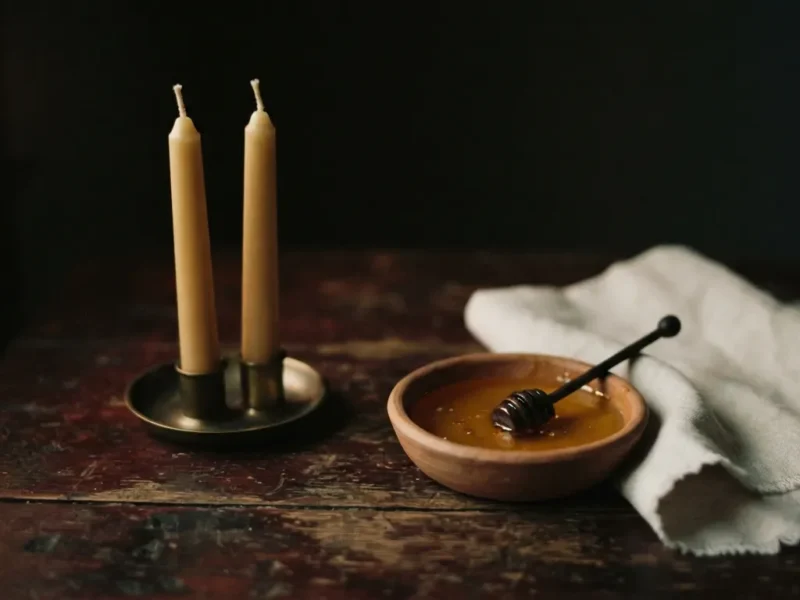
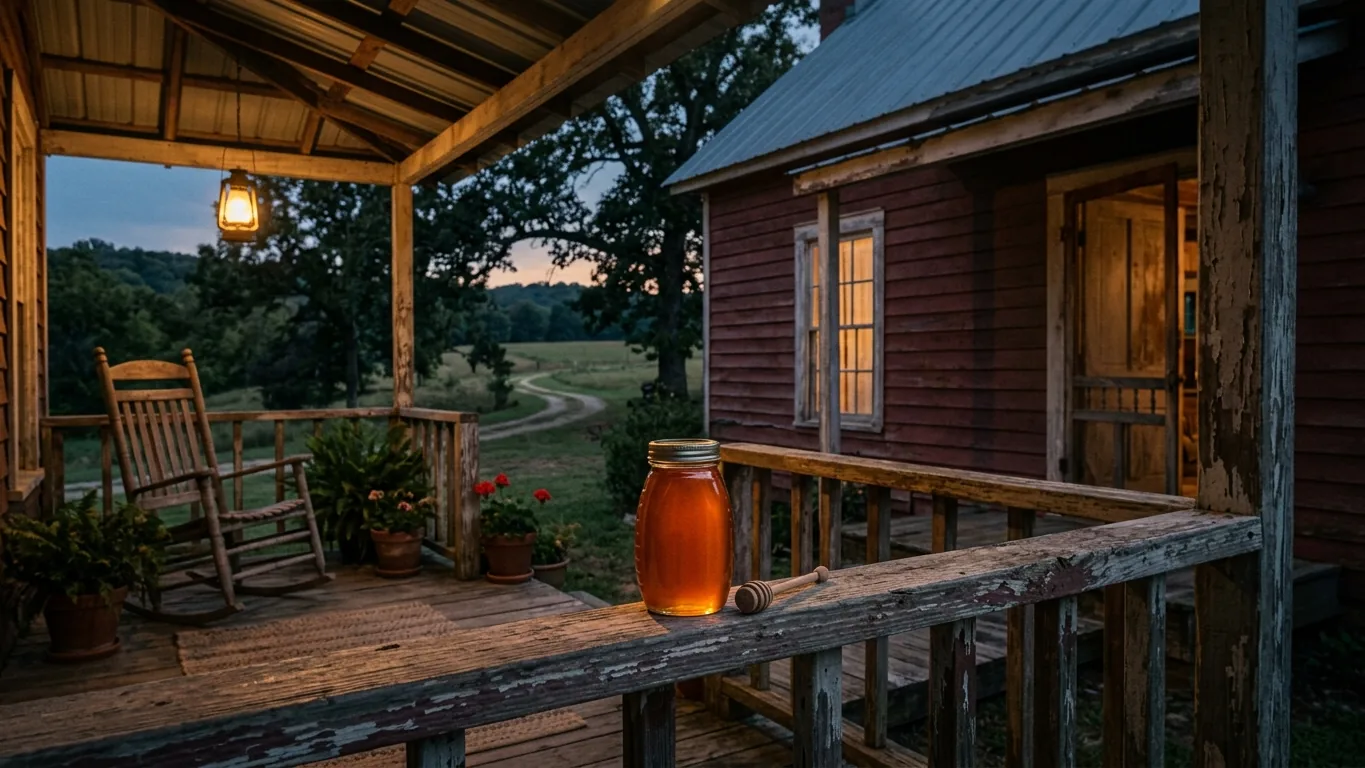
The sweetening jar is the best known of all hoodoo love spells. A name goes on a piece of paper, the paper goes into a jar of honey, sugar or syrup, and the jar is sealed and tended with prayer, often with a candle burned on the lid. Wikipedia describes sweetening jars as a way to sweeten a person or a situation, traditionally with sugar water.
Practitioners reach for a jar when a bond exists but has turned bitter: a cold partner, an endless argument, an ex who is still talking to you. It is slow work by design. Our post on honey jar spells and their history walks through the steps, and the Honey Jar Sweetening Spell page explains how Baba Ali approaches sweetening.
Mojo bags
A mojo bag, also called a conjure bag, toby, lucky hand or nation sack, is a small flannel pouch holding items chosen for one purpose and carried on or near the body. Wikipedia’s entry on mojo calls it a “prayer in a bag” (Mojo). Red flannel is the most common cloth in Southern-style bags. The contents depend on the goal, so a love bag holds different things from a protection bag or a gambling bag, and some hold a written petition or a Bible verse.
The word mojo is traced to the Kikongo word mooyo, linked to the spirits said to live in charms. Popular culture later stretched it to mean sex appeal or confidence, which is how most Americans use it now. In love work, bags were made for attraction, for keeping a spouse close and for carrying a petition privately. Tradition advises keeping a mojo hand to yourself.
Van Van, Come to Me and other oils
Oils are how a rootworker “dresses” a candle, a bag or a pair of hands: a small amount rubbed on, with a prayer. Van Van is the oil most associated with New Orleans, used for luck, for clearing a crossed condition and for turning a situation around. Recipes vary widely, and Wikipedia describes old “essence of Van Van” products as blends of up to thirteen oils.
Come to Me, Love Me and similar names are market labels for oils meant to draw a lover’s attention. No single recipe was handed down unchanged, so the name on a bottle tells you what a maker intends and little about what is inside. Read the ingredient list, test any oil on a small patch of skin, and keep it away from your eyes.
Lodestones
Lodestones, naturally magnetic pieces of iron ore, are sold and kept in pairs, one called male and one female. Practitioners “feed” them with iron filings or magnetic sand. The logic is attraction: two stones that pull toward each other stand in for two people. Rootworkers have also used a single stone to draw luck or money.
Candles and Psalms
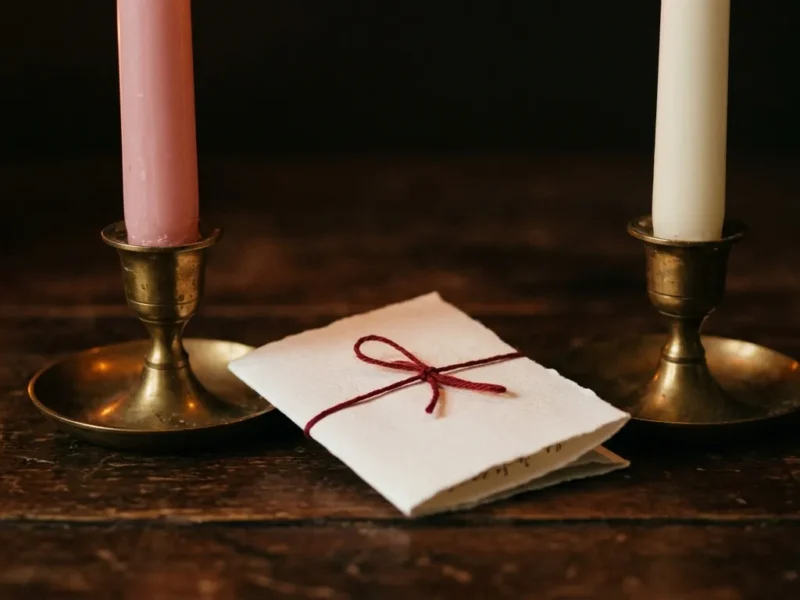
In hoodoo love spells, candle work turns prayer into something you can see. A rootworker dresses a candle with oil, sets a petition under or beside it, and burns it while praying. Psalms often supply the words, since Hoodoo grew up alongside the Bible. Wikipedia mentions Secrets of the Psalms, a book important in Hoodoo that gives instructions for using Psalms for safe travel, headaches and marital relations. Candle color carries meaning too, and our posts on candle colors in love magic and the candle magic guide explain the common associations. The Love Candle Ritual page shows how Baba Ali uses candles in his own practice.
Fire is the one real hazard in all of this. Burn candles on a heat-safe plate, away from curtains, paper and anything else that catches, and never leave one burning while you sleep or when you leave the room.
The crossroads
The crossroads is where Hoodoo lore about luck, spirits and choice gathers. Wikipedia describes it as the physical form of the Kongo cosmogram, an X that marks where the living and the dead meet. It also notes that the Hoodoo crossroads spirit may come from Eshu-Elegba, the Yoruba keeper of roads who receives offerings at crossroads, and that the folklorist Newbell Niles Puckett recorded crossroads offerings. Some authors tie the legend of the bluesman Robert Johnson at the crossroads to the same Kongo belief.
In love work, the crossroads has mostly been a symbol for a decision point: leaving something behind, asking for a path to open, taking a different road. Our guide to the crossroads in African and diaspora tradition covers Papa Legba, Eshu and the Hoodoo lore in more depth.
What do the common materials mean?
Every material used in hoodoo love spells carries a meaning handed down by custom. These are symbolic associations, the working language of the tradition. They are not claims about chemistry or outcome.
| Material | Traditional association |
|---|---|
| Honey, sugar, syrup | Sweetness, and softening a bitter feeling |
| Red flannel | The usual cloth for Southern-style mojo bags; red is linked to love and heat |
| Rose petals | Love and affection |
| Lavender | Peace and calm |
| Cinnamon | Warmth and speed |
| Basil | Loyalty and a peaceful household |
| Lodestone | Attraction between two people |
| High John root | Strength, luck and the spirit of a folk hero |
| Pink, red and white candles | Affection, passion and peace |
| Paper petition | Naming the person and the request |
| Psalms | Prayer for blessing, home and unity |
High John the Conqueror root has a story of its own. In African American folk stories, High John was a kidnapped African prince and a trickster who kept hope alive, and the root was said to carry his spirit of freedom. Wikipedia notes that in a Bessie Smith blues, a fortune teller advises a woman to carry High John root and snakeroot to win her man’s love.
Do not eat, drink or smoke anything bought for ritual use. Some roots and herbs are harmful when swallowed, and a spiritual supply label is not food or medical information. If you are pregnant, nursing or taking medication, ask a pharmacist before using any plant. Our spell ingredients glossary lists safety notes for each material.
How do you practice with respect?
Hoodoo belongs to a people first. African Americans built it under slavery and kept it alive through segregation, often in secret. Then others began selling it. Wikipedia records that white drugstore owners and mail-order companies profited from conjure products, and that some labels put a white man’s picture on High John the Conqueror goods, which led many buyers to assume a white man was among the most powerful conjurers. Scholars including Katrina Hazzard-Donald and Tamara Brown argue that Hoodoo has to be understood from the Black American experience, and practitioners say that reducing it to spells and tricks erases that.
A few habits follow from that.
- Credit where your knowledge comes from, and read Black American authors and practitioners first. Hurston is a good start.
- Buy from shops and practitioners who say plainly who taught them, and be wary of anyone who claims a secret ancestral lineage and cannot explain it.
- Never present yourself as a root doctor or conjure worker because you read a book or bought a kit.
- Leave sacred symbols and other traditions’ spirits alone unless a living community has invited you in.
Respect covers the person you are thinking of, too. Not every hoodoo love spell in the folk record is gentle: some were meant to break couples up, drive people away or hurt them. Baba Ali’s work does none of that, and this page does not teach it. A love working can ask for softening, clarity or reconciliation. It cannot and should not strip an adult of their choice. Our posts on love spells and consent, love spells and free will and white magic vs black magic love spells explain where the lines sit, and the love spell ethics guide sets them out in full.
If the person you want has told you no, has blocked you, or if you are afraid of them or of what they do when they are angry, a spell is the wrong tool. The National Domestic Violence Hotline is open at 1-800-799-7233.
Hoodoo’s popularity has also drawn scammers. The warning signs are a promise of a sure result, a high price for a “kit” of honey and candles, pressure to pay again when nothing changes, and claims of “authentic hoodoo” that nobody can trace to a teacher. Our posts on how to choose a real love spell caster and the scam warning signs guide explain what to ask and what to do if you have been cheated.
How does Baba Ali’s practice relate to Hoodoo?
Baba Ali Musa is not a Southern rootworker and does not present his work as Hoodoo. He has practiced for more than 30 years within a Senegalese ancestral lineage, and he works with clients across the United States by WhatsApp, phone, email and video. His tradition grew in West Africa. Hoodoo grew in the American South. The two are related through shared West African roots and developed on different sides of the Atlantic.
The connection is real and can be stated precisely. Wikipedia’s entry on mojo describes gris-gris, a West African charm bag with origins in Mande communities, which often held Islamic scripture and was brought to the Americas by enslaved people, including Mandinka Muslims. From there it entered both Louisiana Voodoo and Hoodoo. The Mandinka are among the peoples of Senegambia, the region around Senegal and the Gambia. So when a rootworker ties a small bag and prays over it, an idea with West African roots is part of the work.
The overlap shows in the materials. Candles, honey, cords, herbs, water, prayer and the moon appear in Hoodoo, in the other diaspora traditions and in Baba Ali’s practice, and sweetening with honey is shared language across them. The honey jar as Americans know it comes from Hoodoo. Baba Ali’s sweetening work uses similar materials but comes from his own lineage, and he begins, as with any love work, with prayer to God and the ancestors.
The differences matter just as much. Hoodoo is usually a family or do-it-yourself tradition passed hand to hand in Black Southern communities. Baba Ali’s work is done for you after a reading, with the method kept at the altar, and you are told what is needed and what it costs before anything is bought. His Voodoo Love Spells page explains the word this site uses for the family of African-rooted practices. The free love reading is the usual starting point.
If you want hoodoo love spells in particular, look for a Black American rootworker who can name their teachers and explain their method. If the question is whether your situation can be helped by this kind of spiritual work at all, a reading is the place to ask it.
Work with Baba Ali comes with this policy: Money-back guarantee: no change within 7 days, full refund.
Can you try this at home?
Practical steps come first. A ritual does not replace an honest conversation, a clear apology or time to cool off. If you are thinking about an ex, read our post on no contact and love spells before you do anything else, and see spiritual practices after a breakup for ways to steady yourself without involving anyone.
If you want to borrow from hoodoo love spells respectfully, keep the practice pointed at your own life.
- Make a peace jar: your own name on the paper, words like calm and sweetness around it, rose petals in a small jar of honey. The honey jar post gives a full version.
- Light one candle on a heat-safe plate and read a psalm or say your own prayer, asking for clarity about your next step.
- Take a cleansing bath with salt and herbs you know are safe for your skin. The cleansing baths guide has methods.
- Write down what you want from love and from yourself, and keep the paper in a drawer for a month.
None of these tries to change another person. That is deliberate. They put the work where you have a say.
Money-back guarantee: no change within 7 days, full refund.
- Private & confidential
- Adults 18+ only
- Discreet billing
Questions people ask about hoodoo love spells
What are hoodoo love spells?
They are traditional workings from African American Hoodoo meant to draw affection, sweeten a bond or soothe a quarrel. They use ordinary materials such as honey, candles, flannel bags and oils, along with prayer. They are tradition, and no working can promise what another person will do.
Is Hoodoo the same as Voodoo?
No. Vodou and Louisiana Voodoo are religions with spirits, ceremonies and priesthoods. Hoodoo is a Southern African American practice with no temples or formal priests. They overlap in New Orleans and share African roots, and our full comparison lays them out side by side.
Do hoodoo love spells work?
No honest practitioner can promise a result. The work is slow, it depends on what the other person actually feels, and it sits beside practical steps like talking things through. Our post on whether voodoo love spells really work covers the limits.
What is a mojo bag used for in love?
It is a small flannel pouch carried by its owner, holding items chosen for one aim such as attraction or peace, sometimes with a written petition. Tradition treats it as a carried prayer. It is a personal object and not a way to reach into someone else’s life.
Can anyone use Hoodoo, or only Black Americans?
Hoodoo comes from the African American community, and people of every background have sought help from rootworkers. Respect means crediting the source, buying from honest practitioners and never claiming a lineage you do not have. Learn from Black American teachers and writers first.
Does Baba Ali practice Hoodoo?
No. He does not offer hoodoo love spells as such. He works within a Senegalese ancestral lineage, practiced for more than 30 years, which shares West African roots with Hoodoo and Voodoo. He uses familiar materials such as candles, honey and herbs, and he treats Hoodoo as its own tradition.
Is it safe to burn candles and use herbs at home?
Candles are the main risk, so use a heat-safe plate, keep flames away from anything that burns, and never leave one lit while you sleep. Do not eat or drink ritual herbs or roots, and test oils on a small patch of skin first.