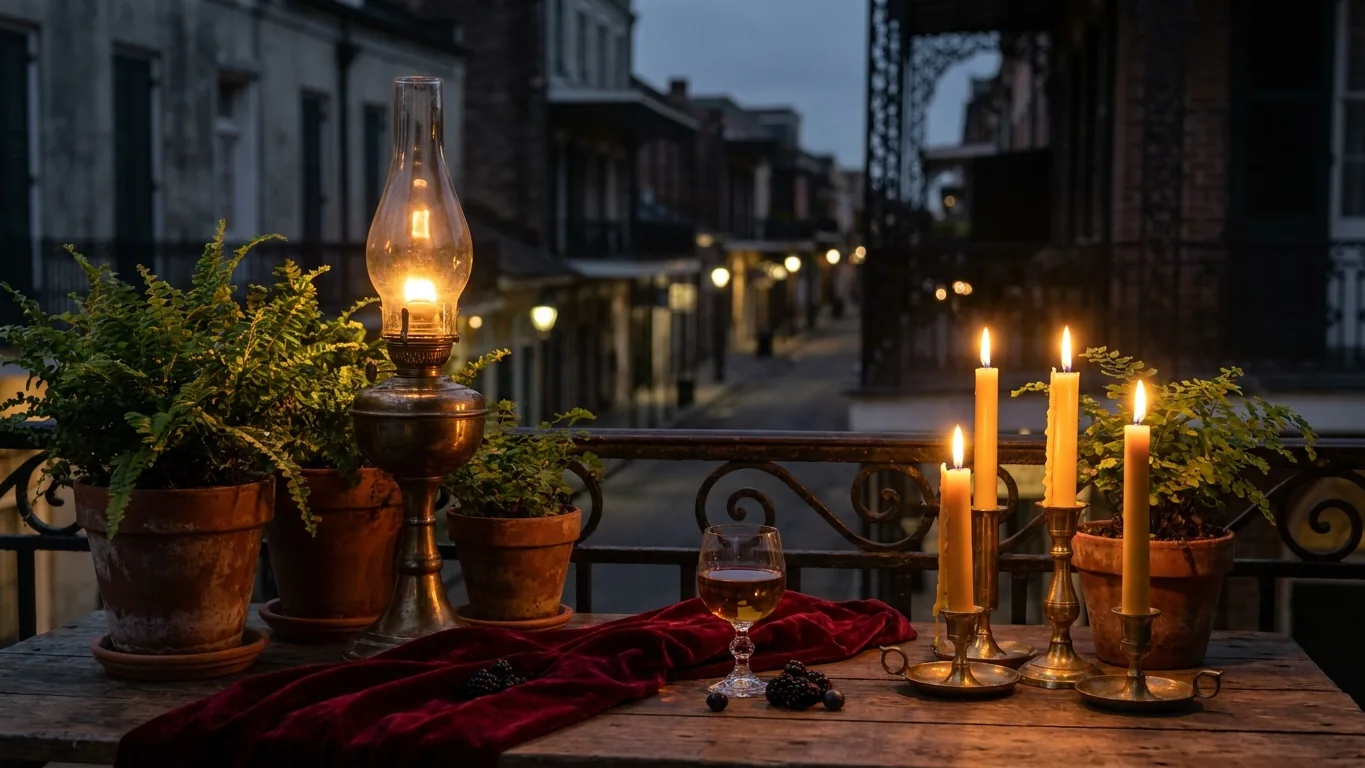
New Orleans became America’s capital of voodoo love magic through a unique mix of history: enslaved West and Central Africans who kept their spiritual traditions alive, a French and Spanish colonial culture that allowed Sunday gatherings at Congo Square, a wave of refugees from Haiti in the early 1800s, and the fame of Marie Laveau, the nineteenth-century practitioner sought out by people of every background for help with love and marriage. Today the city’s voodoo exists both as living practice and as a tourist industry, and knowing the difference matters.
This post tells that story from the beginning, with an eye on love work in particular, and explains a surprising connection between New Orleans voodoo and Senegal.
A colony built on African knowledge
French colonists founded New Orleans in 1718, and within a few years enslaved Africans were being brought to Louisiana in large numbers. Many came from the Senegambia region of West Africa, others from the Bight of Benin and from Central Africa. They brought knowledge of rice cultivation, herbal medicine, metalwork and music, and they brought their spiritual traditions: prayers to God and the ancestors, charms for protection, and practices for healing, luck and love.
Under French rule, the Code Noir of 1724 governed slavery in Louisiana. Among its rules, it gave enslaved people Sundays off from work (Congo Square). That small provision would shape the city’s spiritual history for a century.
The Senegambian majority
The West African roots of early Louisiana are unusually specific. During the French colonial period, about two-thirds of the enslaved Africans brought to Louisiana came from the Senegambia region, the area of present-day Senegal, Gambia, Mali and Guinea (Louisiana Creole people). Later, under Spanish rule and after, many more people were brought from Central Africa, especially the region of present-day Angola and the Congo.
That early Senegambian majority left deep marks on Louisiana culture: in food, in language, in music and in spiritual life. Many Senegambians had lived alongside Islam, others kept ancestral traditions, and many combined both. Charms, protective writing and prayer for family well-being were part of everyday religious life across the region, and those habits traveled with the people who survived the crossing.
Congo Square
On Sundays, enslaved and free people of color gathered at the edge of the city to drum, dance, sing, trade and see friends. In 1817 the mayor restricted these gatherings to one place, the open ground now known as Congo Square. There, African rhythms, songs and dances survived in public in a way they did almost nowhere else in the United States. Townspeople gathered on Sunday afternoons to watch.
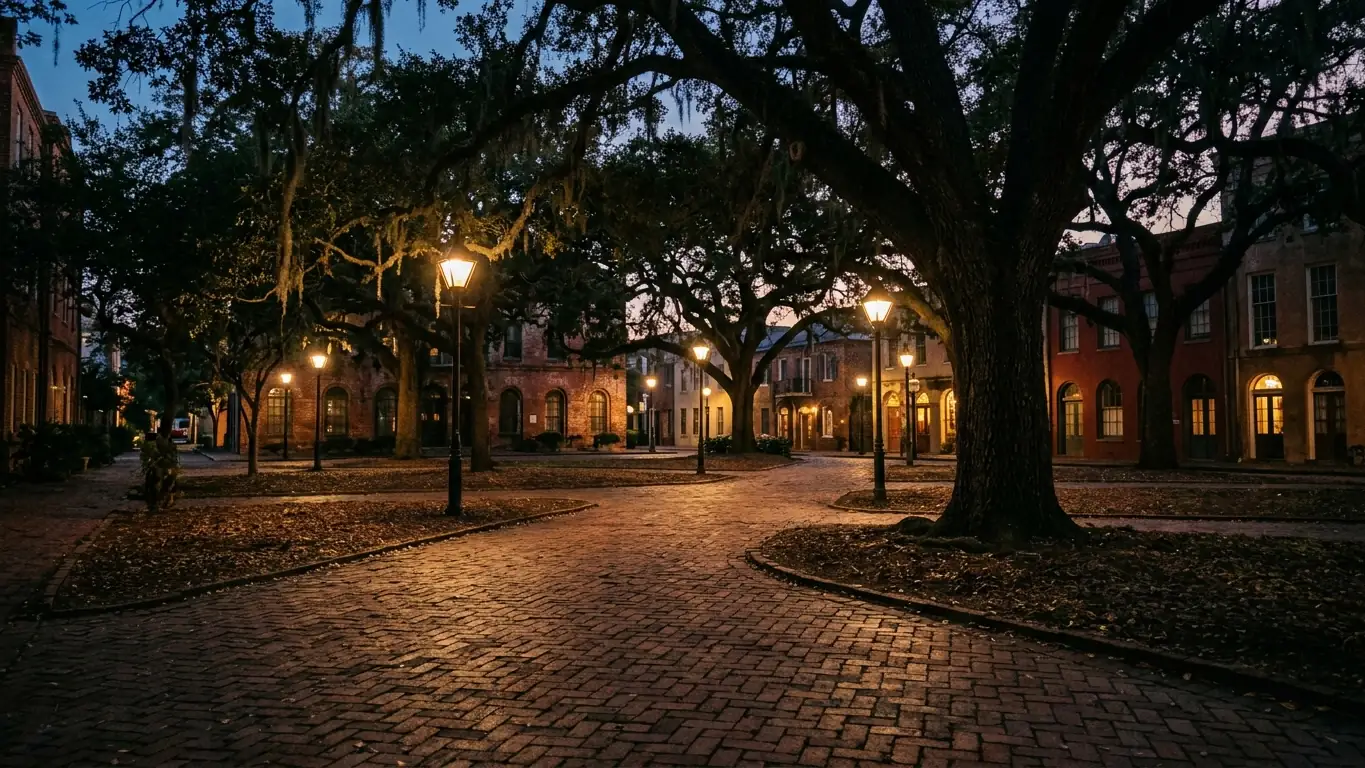
Congo Square is often remembered as a birthplace of jazz, and it was also a place where African spiritual expression stayed visible. The drumming and dance traditions that sustained the community were connected to the same worldview that shaped healing and love work.
The Haitian wave
The Haitian Revolution, which began in 1791 and ended with Haiti’s independence in 1804, sent many residents of the former French colony of Saint-Domingue fleeing, first to Cuba and then, when Spain expelled them, to New Orleans. Between 1809 and early 1810, more than 10,000 refugees arrived, roughly doubling the city’s population within months (64 Parishes). They included white planters, free people of color and enslaved people, and many brought knowledge of Haitian Vodou with them.

That arrival blended Haitian spiritual practice into the existing African traditions of New Orleans. The result, mixed with Catholic devotion and local herbal knowledge, became what we now call Louisiana Voodoo.
New Orleans voodoo was built by people who kept their faith alive with almost nothing, and turned it into something the whole city came to know.
Marie Laveau
No name is more tied to New Orleans voodoo than Marie Laveau. According to 64 Parishes, the encyclopedia of Louisiana history, she was born in New Orleans on September 10, 1801, the first of her maternal line to be born free, and died at home on June 15, 1881 (64 Parishes). In her lifetime she was known as “the Priestess of the Voudous” and “the head of the Voudou women,” and she was also a lifelong Roman Catholic.
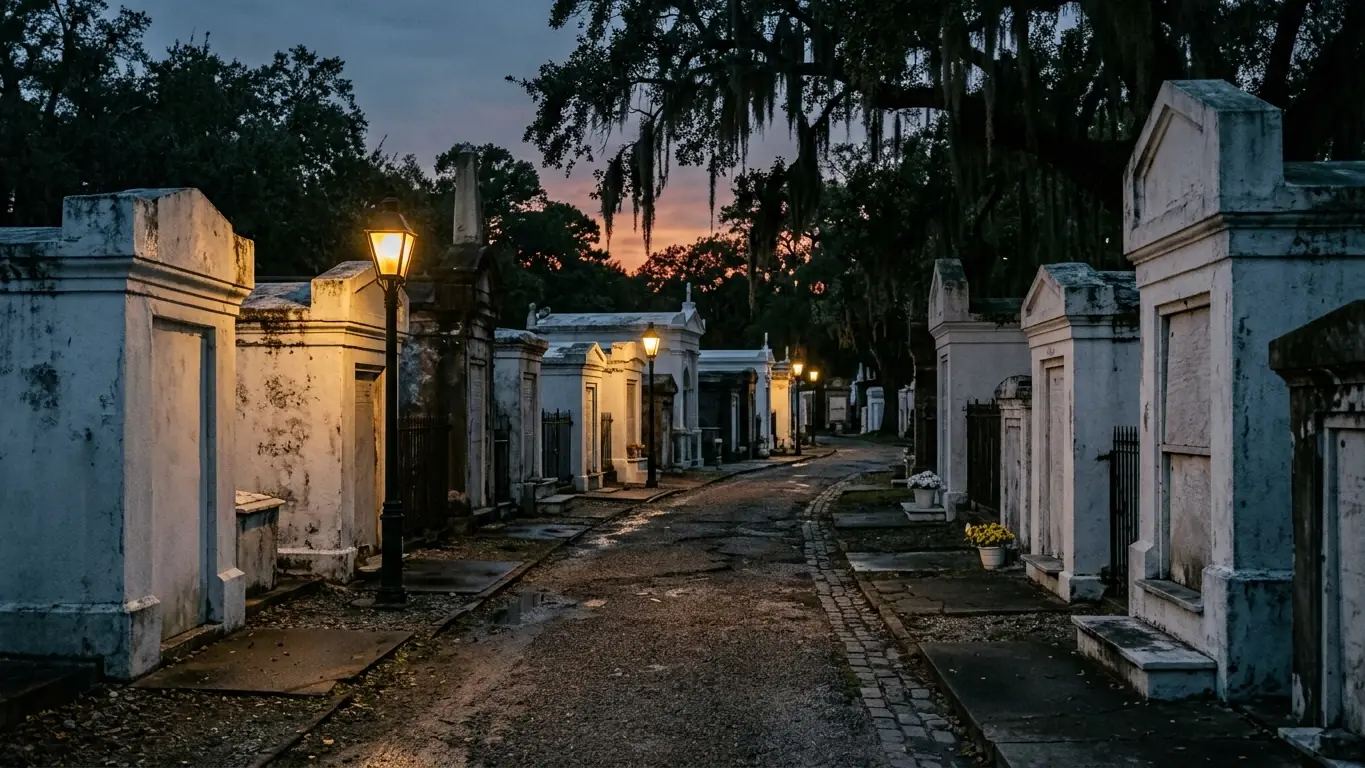
Laveau was respected by many and feared by some. Contemporary accounts describe her nursing the sick, providing for people in need, and ministering to condemned prisoners, erecting altars in their cells and praying with them before execution. People of every race and class are said to have consulted her, and love, marriage and relationship troubles were among the most common reasons. That reputation is a large part of why New Orleans became linked with voodoo love magic in the American imagination.
After her death, her daughter, also named Marie Laveau, continued in a more public style, holding events such as St. John’s Eve rituals on Bayou St. John (Marie Laveau). Many of the most dramatic stories about “Marie Laveau” may in fact be about her daughter, or have grown in the retelling.
A thread back to Senegal
One detail in Marie Laveau’s family history is especially meaningful for this site. According to 64 Parishes, her great-grandmother Marguerite, born around 1736, was probably transported from Senegal to Louisiana aboard one of the last French slave-trading ships. The most famous voodoo priestess in American history had roots in the same West African country as Baba Ali Musa’s lineage.
That does not make Baba Ali a Louisiana Voodoo practitioner, and this site does not claim so. But it is a reminder of how deeply Senegambian people shaped Louisiana, and how closely the traditions of West Africa and New Orleans are connected.
Love work in nineteenth-century New Orleans
What did love work in New Orleans look like? Surviving accounts and later folklore describe practices that will sound familiar:
- Gris-gris bags, small cloth pouches holding herbs, roots, stones and written prayers, carried for love, luck and protection.
- Candles and saints, blending Catholic devotion with African prayer.
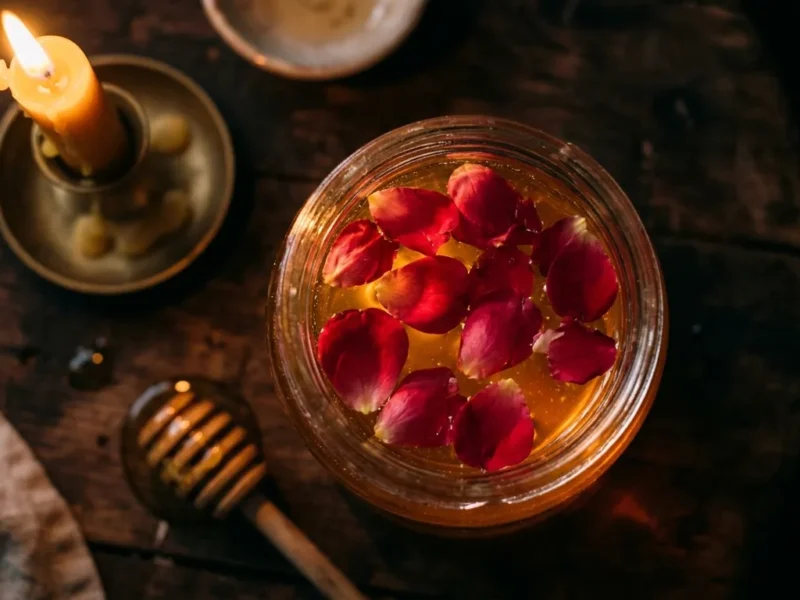
- Sweetening, with sugar, honey and syrup, to soften a lover or a rival.
- Powders and oils for attraction and drawing a partner home.
- Consultations with a respected practitioner, who listened, advised and prayed.
Much of this overlaps with the Southern Hoodoo practices that were spreading across the region at the same time. Our post on honey jar spells traces one of the best known.
Catholic saints and African spirits, side by side
One of the most distinctive features of New Orleans voodoo is how comfortably it lived alongside Catholicism. Marie Laveau was a lifelong Catholic, and she was far from unusual. Many practitioners prayed to saints, used holy water and attended Mass, while also honoring African spirits and ancestors. Saints’ images, candles and medals became part of the spiritual toolkit.
For love work, this meant that a request for help with a marriage might involve a prayer to a saint, a candle before a statue, a gris-gris bag and a consultation with a trusted practitioner, all at once. People did not see these as contradictions. They were ways of asking for help from every direction.
Free people of color and the city’s spiritual life
New Orleans had one of the largest communities of free people of color in the American South. Many were property owners, artisans, businesspeople and, in some cases, spiritual practitioners. Marie Laveau herself belonged to this community. Their relative freedom, compared with enslaved people, allowed some of them to practice, gather and serve clients more openly, which helped spiritual traditions survive and become known throughout the city.
What New Orleans can teach clients today
The history of New Orleans voodoo carries lessons for anyone seeking love work now. First, real practitioners were known for care as much as power: nursing the sick, comforting prisoners, listening to people’s troubles. Second, love work was practical and personal, aimed at a specific marriage, a specific rift, a specific rival. Third, sweetness mattered: sugar, honey and gentle prayer were as important as strong work.
Those lessons still shape honest love work. Return work draws a partner home, as in Spells to Get Your Ex Back. Sweetening softens anger, as in the Honey Jar Sweetening Spell. And strong work holds a bond steady, as in Binding Love Spells.
Gris-gris: a West African word in a Louisiana city
One small word shows how closely New Orleans was tied to West Africa. “Gris-gris,” the name for protective charms and small spiritual bags in New Orleans, is also used across West Africa, including Senegal and the Gambia, for amulets carrying prayers, verses or herbs. In New Orleans, gris-gris bags were made for protection, luck, justice and love, and they remain one of the most recognizable symbols of the city’s spiritual heritage.
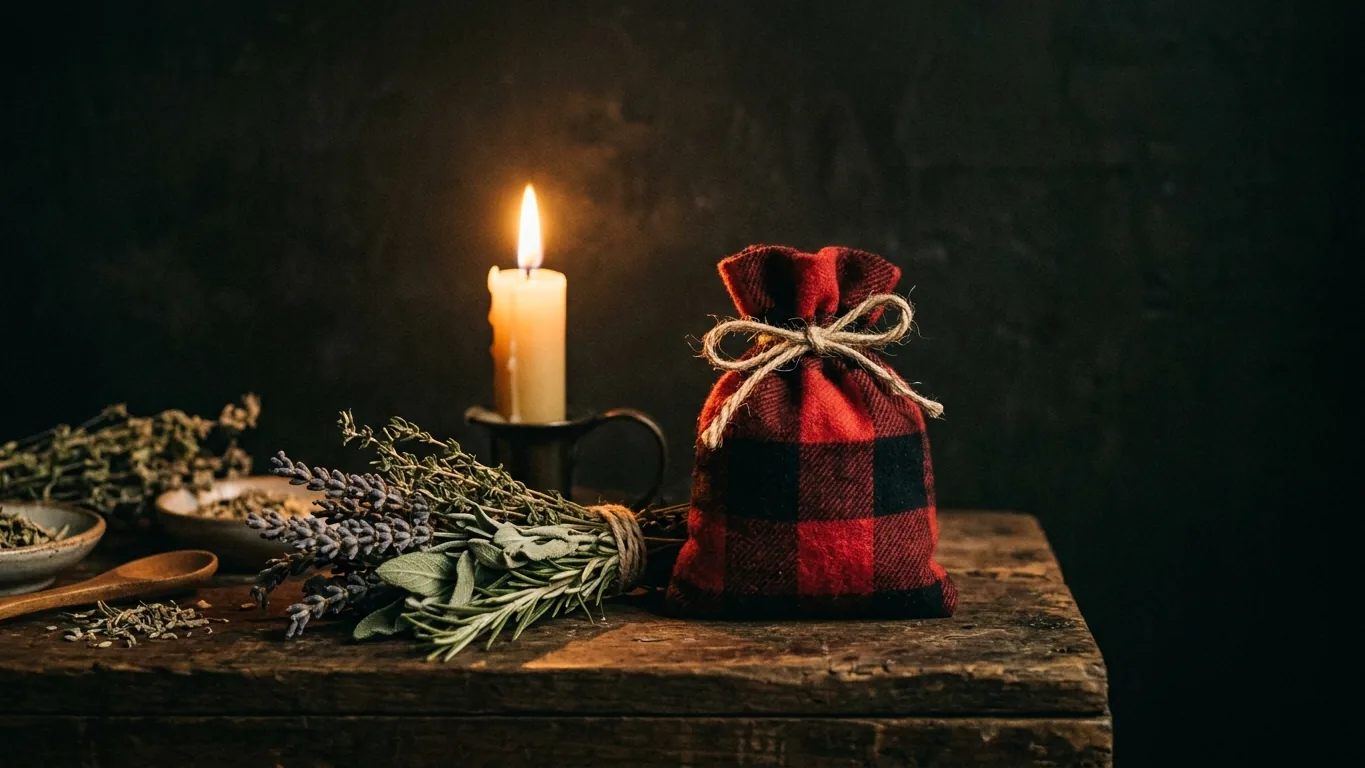
A gris-gris for love might hold rose petals, a lodestone, a written petition and a little sugar, carried close to the body or hidden in the home. The idea is simple: keep the prayer with you, day and night. Many New Orleans families kept such bags for years, refreshing the herbs and prayers when life brought new troubles, and passing the knowledge of how to make them from grandmother to grandchild.
What love clients asked for, then and now
Reading the old stories, what stands out is how familiar the requests are. People wanted a lover to return, a husband to stay faithful, a rival to lose interest, a marriage to be blessed, a family to accept a match. Two centuries later, the requests Baba Ali hears are almost the same. The world has changed; the heart has not. What has changed is the ability to ask for help openly and privately at once, and the expectation, rightly, that a practitioner will be honest about costs, limits and what happens if nothing changes.
Hurston and the documenters
In the late 1920s, the writer and anthropologist Zora Neale Hurston traveled to New Orleans to study Hoodoo. She apprenticed with practitioners and recorded what she learned, including stories about Marie Laveau, in Mules and Men, published in 1935 (Mules and Men). Other writers in the 1930s, including those working for the Federal Writers’ Project, collected more stories. Their work preserved a great deal, though some accounts mixed fact with sensation.
How the stereotypes grew
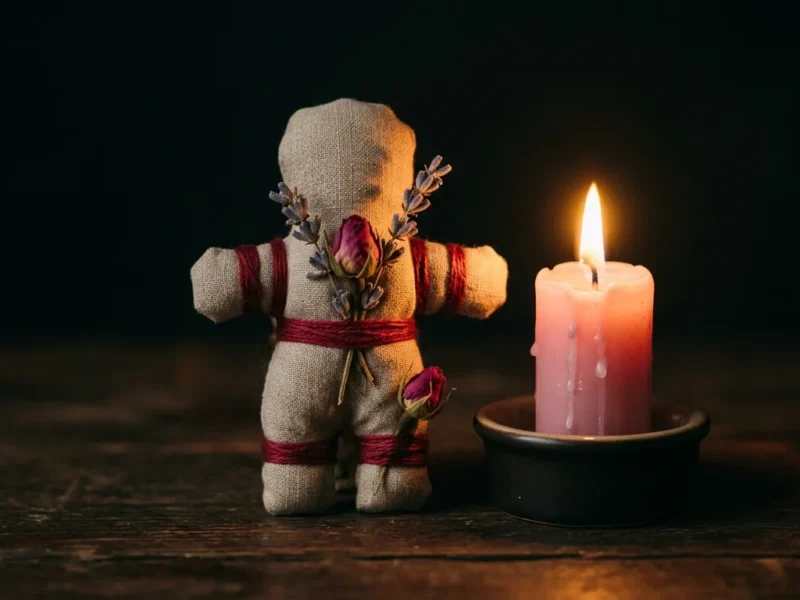
From the late nineteenth century onward, newspapers, travel writers and later Hollywood turned New Orleans voodoo into a spectacle of midnight orgies, zombies and cursed dolls. Much of this was invented or exaggerated, and much of it was rooted in racism toward Black religion. The popular image of the pin-stuck voodoo doll, for example, largely comes from twentieth-century popular culture rather than from Louisiana Voodoo or Haitian Vodou (Voodoo doll). Our post What Is a Voodoo Doll, Really? explains more.
Myths about New Orleans voodoo
- “It was all about curses.” Most practice centered on healing, protection, luck, justice and love.
- “Practitioners were outcasts.” Many, like Marie Laveau, were respected members of their communities and devout Catholics.
- “Voodoo dolls came from New Orleans voodoo.” The pin-stuck doll image owes more to later popular culture and tourist shops.
- “It died out.” Practice continues today, often quietly, alongside a much louder tourist trade.
New Orleans voodoo today
Today, voodoo in New Orleans exists on two levels. There is a living spiritual community: practitioners, priestesses, temples and families who keep traditions going quietly, often alongside Christianity. And there is a large tourist industry of shops, tours and souvenirs in the French Quarter. Some shops are run by serious practitioners who welcome respectful visitors; many sell novelty items with no real connection to the religion.
If you visit, the respectful approach is simple: be curious, ask before photographing altars, do not treat sacred places as backdrops, and support practitioners who explain their work honestly. Marie Laveau’s reputed tomb in St. Louis Cemetery No. 1 is still visited, though the cemetery has been closed to the general public since 2015 because of vandalism, and visits now happen through guided tours (St. Louis Cemetery).
Why New Orleans still matters for love work
For many Americans, “voodoo love spell” and “New Orleans” are inseparable. That association rests on real history: a community that kept African spiritual practice alive, a famous practitioner sought out for help with love, and a city where people of every background crossed paths at the altar. It also rests on myths that deserve correcting. The best way to honor that history is to take the tradition seriously: no horror props, no invented curses, no promises that ignore the free hearts of the people involved.
Our city page for New Orleans describes how Baba Ali works with clients there, remotely and privately.
Where Baba Ali’s practice fits
Baba Ali Musa works within a Senegalese ancestral lineage, practiced for more than thirty years, from the same West African world that shaped early New Orleans. The love work uses materials the city’s practitioners would recognize: candles, honey, cords, herbs and the moon. It is performed privately at the altar, remotely, for clients across the United States. Read more on Voodoo Love Spells, or see how the traditions compare in Voodoo vs Hoodoo vs Santería.
A short timeline
- 1718: New Orleans founded by the French.
- 1724: The Code Noir gives enslaved people Sundays off.
- c. 1736: Marguerite, Marie Laveau’s great-grandmother, born; later brought from Senegal to Louisiana.
- 1791–1804: The Haitian Revolution.
- 1801: Marie Laveau born in New Orleans.
- 1809–1810: More than 10,000 refugees from Saint-Domingue arrive.
- 1817: Gatherings of enslaved people restricted to Congo Square.
- 1881: Marie Laveau dies at home.
- 1935: Zora Neale Hurston publishes Mules and Men.
Questions about voodoo love magic in New Orleans
Who was Marie Laveau?
A free woman of color born in New Orleans in 1801, known as the Voudou queen of the city, and also a lifelong Catholic. She died in 1881.
Did Marie Laveau do love spells?
Love and marriage troubles are said to have been among the most common reasons people consulted her, though many specific stories are hard to verify.
Is New Orleans voodoo the same as Haitian Vodou?
No. Louisiana Voodoo was influenced by Haitian Vodou but also by other African traditions, Catholicism and local practice.
What is Congo Square?
An open space in New Orleans where enslaved and free people of color gathered on Sundays to drum, dance and trade, keeping African traditions alive.
Is Baba Ali a New Orleans practitioner?
No. Baba Ali works within a Senegalese lineage and serves clients remotely, including in New Orleans.
Where did most early enslaved Africans in Louisiana come from?
During the French period, about two-thirds came from Senegambia, the region of present-day Senegal, Gambia, Mali and Guinea.
Can I visit Marie Laveau’s tomb?
St. Louis Cemetery No. 1 has been closed to the general public since 2015 because of vandalism. Visits are through guided tours.
What if love work does not help?
Most clients see the first signs within 3–7 days. If you don’t, you get a full refund under the Refund Policy.