A voodoo doll, in the popular imagination, is a small figure stuck with pins to cause someone pain. That image mostly comes from twentieth-century books, films and souvenir shops, not from Haitian Vodou or Louisiana Voodoo, where pin-stuck dolls are not a prominent practice. In real spiritual work across many cultures, figures and dolls are used to focus prayer on a person: for healing, protection, remembrance or love. Used that way, a doll is a point of connection, not a weapon.
This post explains where the stereotype came from, how figures are actually used in different traditions, what a respectful doll ritual for love looks like, and the lines that are never crossed.
The image everyone knows
Ask most people to picture voodoo, and many will describe a burlap doll with button eyes and pins sticking out of it. It appears in cartoons, horror films, joke gift shops and Halloween costumes. The idea is simple and frightening: hurt the doll, hurt the person.
It is worth asking where that image actually comes from, because the answer says a lot about how African diaspora religions have been treated.
Where the stereotype came from
According to a summary of the scholarship, the voodoo doll is not a prominent part of Haitian Vodou or Louisiana Voodoo, and its link with “voodoo” was established through Western popular culture in the first half of the twentieth century, as part of broader negative depictions of Black and Afro-Caribbean religious practices (Voodoo doll). A 1933 book by a former US Marine officer who served during the American occupation of Haiti, John Houston Craige’s Black Bagdad, described a prisoner sticking pins into an effigy to cause illness. Books and films like it helped fix the image in the public mind.
The occupation of Haiti from 1915 to 1934 produced a wave of sensational writing about Vodou, much of it written by outsiders who understood little and feared much. Hollywood followed with zombie films and voodoo villains. By mid-century, the pin-stuck doll had become a shorthand for “dark magic,” and New Orleans souvenir shops began selling it to tourists.
Figures in many traditions
Using a figure to represent a person is ancient and found all over the world. What varies is the purpose.
- European folk magic used figures of wax, cloth or clay, often called poppets, for healing, love and, sometimes, cursing. Much of the “harm” imagery associated with dolls has European roots, not African ones.
- Ancient Mediterranean practice included small figures in love and binding rituals, alongside written tablets and papyri.
- Central African traditions of the Kongo peoples include powerful carved figures used in oaths, healing and protection, which outsiders sometimes misread as “voodoo dolls.”
- Southern Hoodoo uses cloth dolls and figure candles to focus work on a specific person, for love, protection or justice.
- Haitian Vodou uses dolls in some contexts, for example placed at shrines or in cemeteries as messengers to the spirits, rather than as pincushions.
In other words, figures have been used for every human purpose, and harm is only one, and not the most common.
A doll in honest love work is a point of focus, a way to hold someone gently in prayer. It is never a weapon.
How a doll works in love ritual
In love work, a doll or figure represents a person so that prayer can be focused on them specifically. It gives the intention a physical form. Common elements include:
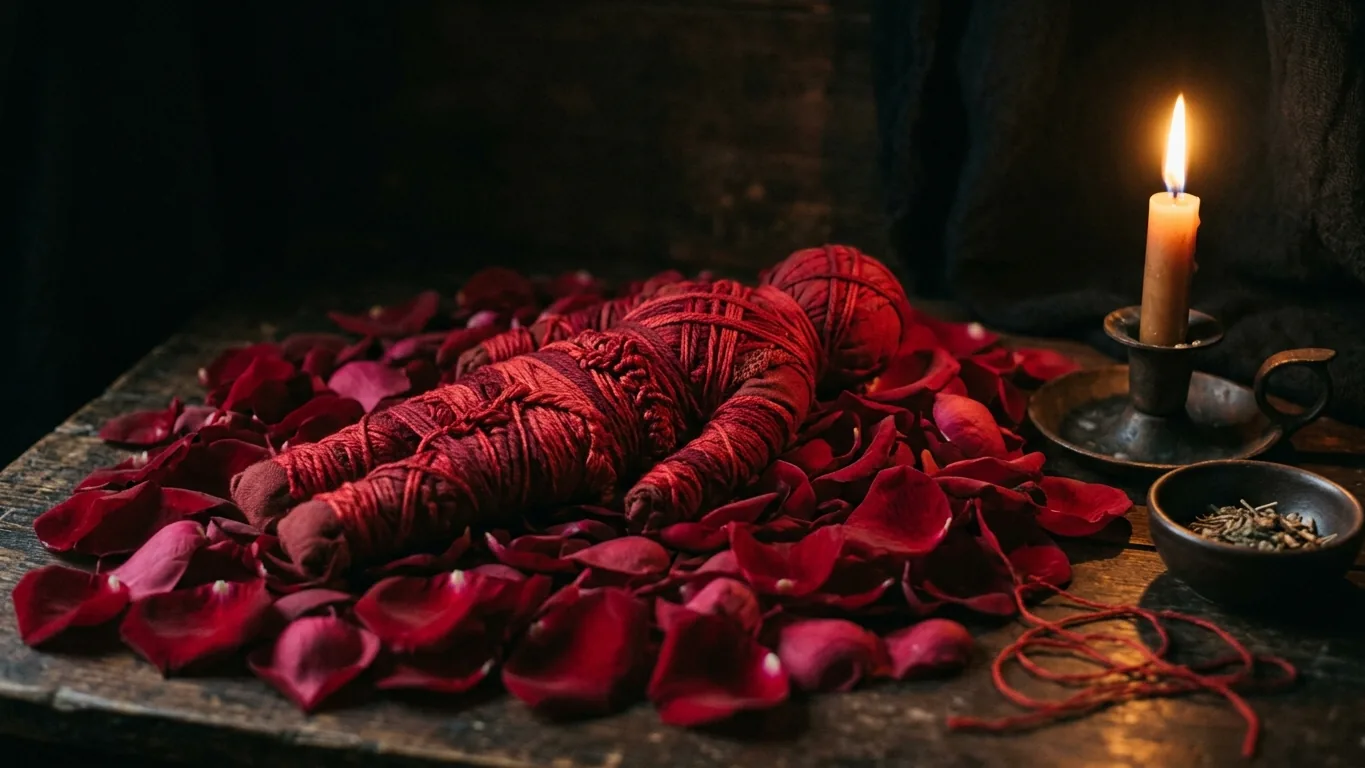
- Making or choosing the figure, often from cloth, wax or a figure candle.
- Naming it with the person’s name, sometimes with a written petition attached or placed inside.
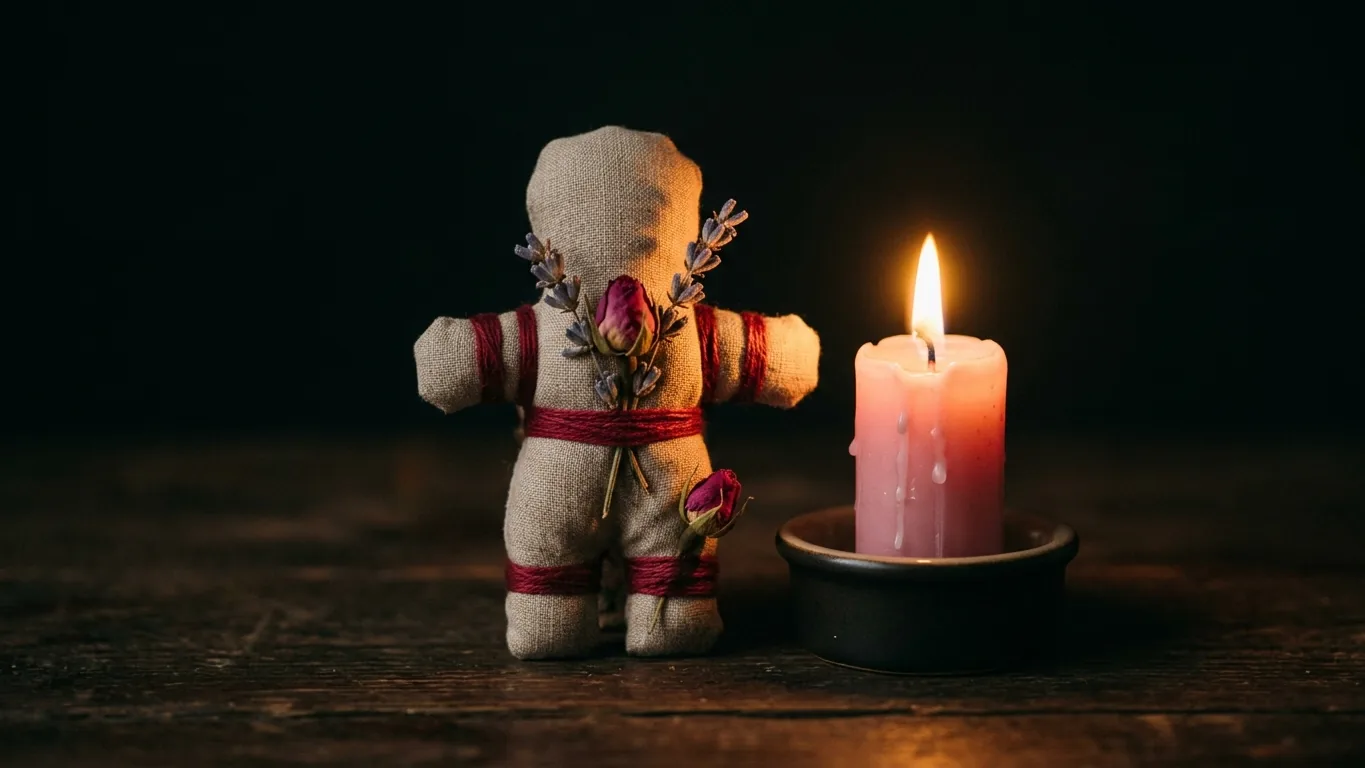
- Dressing it with oils, herbs such as rose and lavender, or a thread of the right color.
- Pairing it, in reconciliation work, with a second figure for the client, the two placed facing each other and gradually brought closer.
- Tending it with prayer over days, keeping it wrapped and safe.
Pins, where they appear at all in love work, are used in some traditions to “fix” an intention in place, much like pinning a note to a board, not to inflict pain. Baba Ali Musa’s doll work does not use pins to hurt anyone, in any sense.
What honest doll work is used for
- Focusing return work on a specific partner who has pulled away.
- Reconciliation, with two figures drawn together.
- Healing, holding a partner in prayer through a hard time.
- Protection of a relationship from outside interference.
- Blessing a couple at the start of a commitment.
The Voodoo Doll Love Ritual page describes how Baba Ali performs this work.
What is never done
- No work to cause pain, illness or bad luck to anyone.
- No work against a rival or an ex’s new partner.
- No work to control or trap anyone.
- No work involving minors, protective orders, abuse, or someone who has asked the client to stay away.
If anyone offers to hurt someone for you with a doll, walk away. Our post on white magic vs black magic love spells explains why intent is what matters.
Can a voodoo doll really hurt someone?
This is the question people are often afraid to ask. The honest answer is that there is no evidence dolls can cause physical harm, and Baba Ali does not claim they can. What can cause real harm is fear. People who believe they have been cursed with a doll often become anxious, sleepless and frightened, and scammers take advantage of that fear to sell expensive “removal” rituals.
If you have found a doll, or been told that one was made against you, the most useful steps are practical: stay calm, talk to someone you trust, and if you are being threatened by a person, contact the police. If the worry stays with you, uncrossing and cleansing can help you feel clear again. It does not require believing that anything harmful was done.
Why dolls feel so powerful
There is a reason dolls carry such emotional weight. Humans are drawn to faces and figures from infancy, and a figure that stands for a real person feels intimate. That is why a photograph of a loved one can move us to tears, and why damaging a picture of someone can feel shocking. Spiritual traditions use this deep human response. A figure gives prayer a focus: instead of thinking about someone vaguely, you hold them in mind with care. In honest love work, that focus is gentle: you are holding someone in your thoughts as you would hold their hand.
The figure candle: a doll made of wax
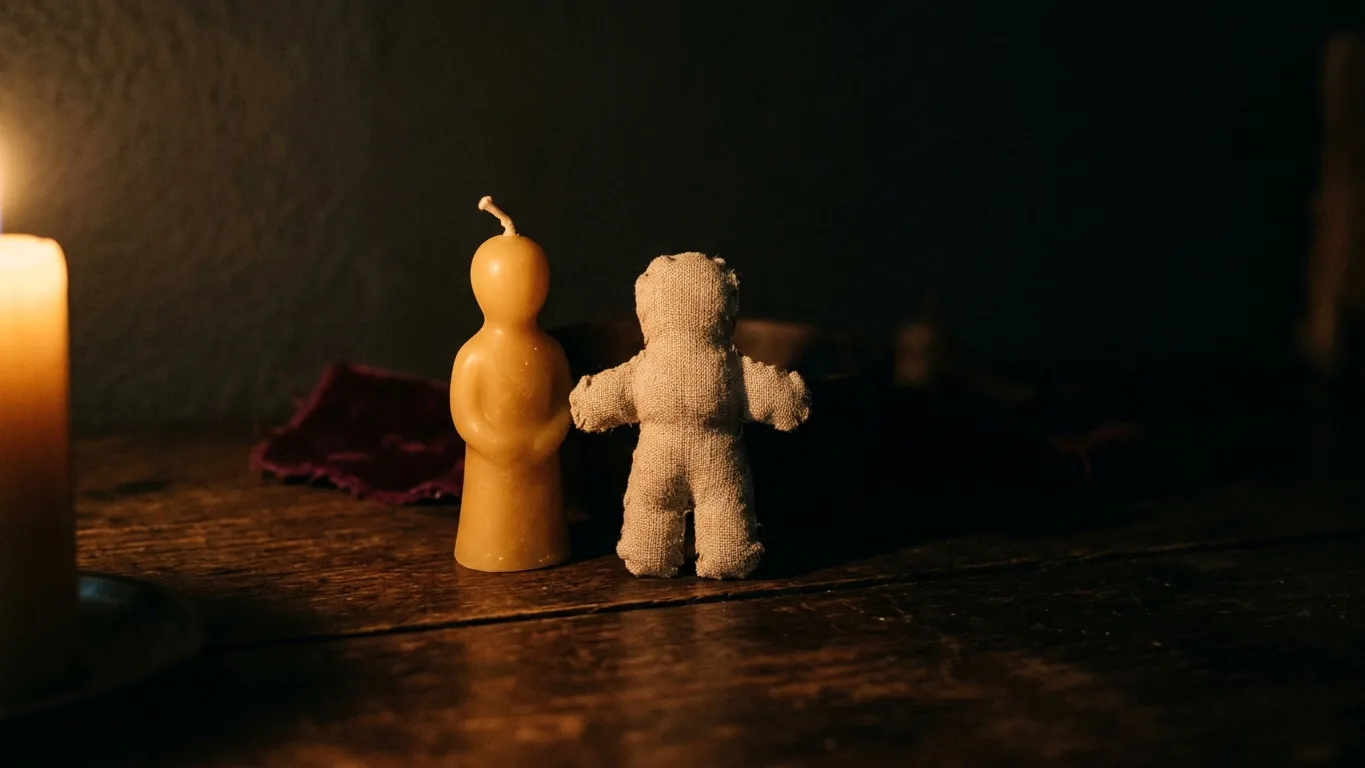
Many love rituals use figure candles instead of cloth dolls. These are candles shaped like a man, a woman or an embracing couple, in red, pink, white or other colors. They combine the focus of a doll with the steady burning of a candle. In reconciliation work, two figure candles may be placed apart and moved a little closer each day as they burn. Our post on candle colors in love magic explains how colors are chosen for them.
What happens to a doll after the work
A doll used in honest love work is treated with respect. It is often wrapped in clean cloth and kept safely while the work settles, sometimes for months. When its purpose is complete, it may be kept as a memento, buried, or respectfully disposed of according to the tradition. It is never thrown away carelessly, and it is never used afterward for a different purpose.
A note on Central African carvings
Museums around the world hold carved Central African figures studded with nails or blades, sometimes labeled in older collections as “fetishes” or even “voodoo dolls.” These figures come from Kongo traditions and served serious communal purposes, including sealing oaths and agreements, healing and protection, with each nail often marking a vow or request. Calling them voodoo dolls misreads them badly. They are important cultural and religious objects, and many African scholars and communities have asked that they be understood on their own terms.
Doll work across distance
A figure can be especially helpful when a partner is far away. It gives the ritual a close, physical focus for someone who is physically distant. Many long-distance clients find that idea comforting. See Long-Distance Love Spell and our post on love spells for long-distance relationships.
The European poppet
Much of the fear attached to dolls actually has European roots. In English folk magic, a poppet was a small figure of cloth, wax or clay made to represent a person. Poppets were used for healing and love charms, and sometimes accused of being used for harm. During the witch trials of early modern Europe and colonial America, poppets found in homes were sometimes presented as evidence of witchcraft. When twentieth-century writers attached pins and curses to “voodoo,” they were in part projecting an older European fear onto African religions.
What a doll ritual cannot do
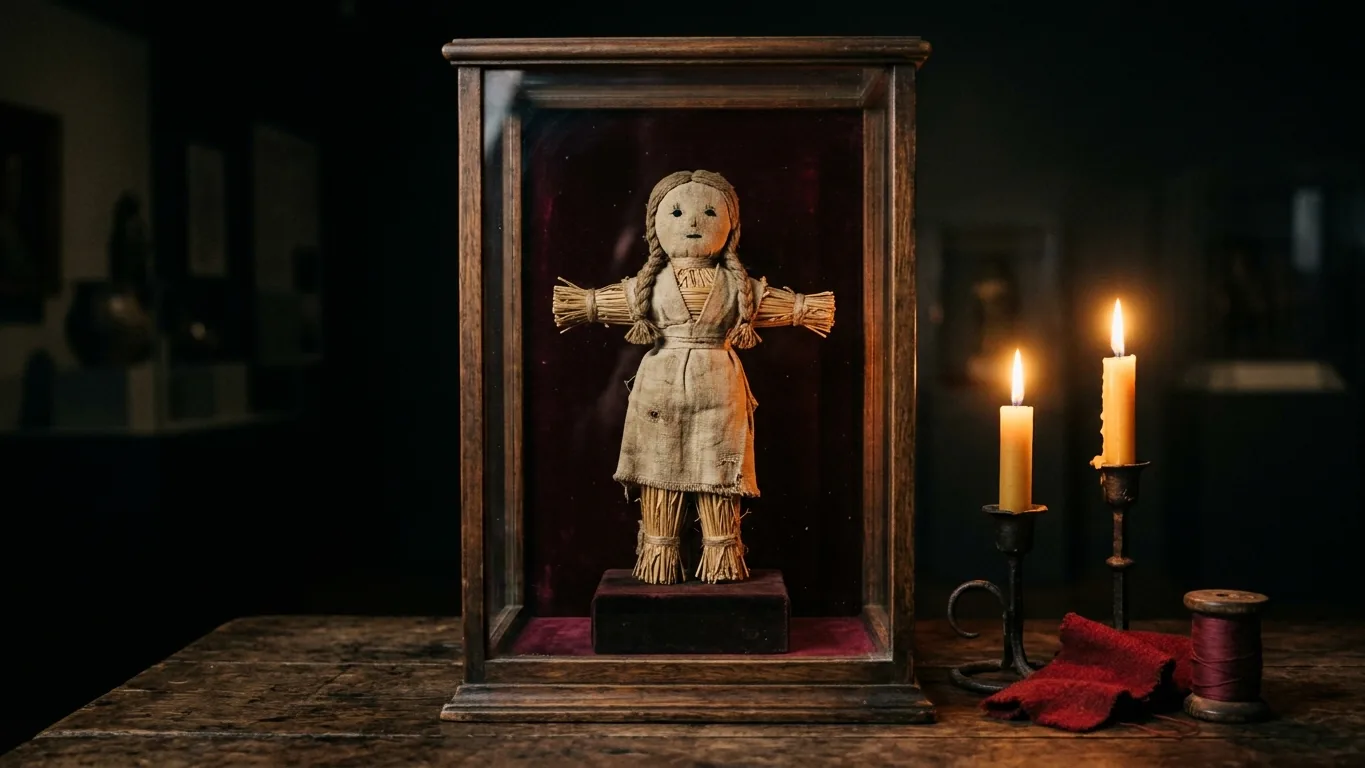
Like all love work, doll rituals have limits. A doll cannot take away anyone’s choice, create feelings where none existed, or make an unsafe relationship safe. It does not bind someone’s mind or body. It is a focus for prayer and intention, nothing more mysterious than that, and nothing less meaningful. Our post Do Voodoo Love Spells Really Work? explains the honest limits of all love work.
Talking about voodoo respectfully
Words matter. Calling any small figure a “voodoo doll” casually reinforces the idea that an African diaspora religion is about hurting people. If you are curious about the traditions, it helps to name them properly: Haitian Vodou, Louisiana Voodoo, Hoodoo, Santería. It also helps to remember that the people who practice them are ordinary families, praying for health, safety, work and love, just as people of every faith do.
Questions to ask before any doll ritual
- What is the figure for, specifically?
- What materials will be used, and what will they cost?
- What will the ritual not do?
- What happens to the figure afterward?
- What happens if I see no change?
An honest practitioner answers all five clearly. With Baba Ali, the figure is used only for love, healing or protection; materials and costs are explained before anything is bought; and most clients see the first signs within 3–7 days, with a full refund if they don’t. Anyone who dodges these questions, or answers with threats, is not someone to trust with your heart.
If you are afraid someone made a doll of you
Some people come to Baba Ali frightened because an ex, a rival or a relative has threatened them with a “voodoo doll,” or because they found an odd figure among their belongings. Fear like that is real and deserves care. The first thing to know is that threats are a way of controlling you, and the person making them is counting on your fear. The second is that practical safety comes first: if anyone is threatening or harassing you, keep records and contact the police. And if the worry lingers after you are safe, gentle cleansing can help you feel clear again.
The tourist doll
New Orleans shops and online stores sell thousands of “voodoo dolls” every year, often with colored pins labeled for love, luck, success and revenge. They are souvenirs. Some people enjoy them as a bit of fun; others find them disrespectful to a real religion. Either way, it helps to know that they reflect the Hollywood image more than any living tradition.
Respecting the religions behind the name
Haitian Vodou and Louisiana Voodoo are real religions practiced by real communities. The doll stereotype has been used for a century to make those religions look sinister, and to make the people who practice them look primitive or dangerous. Correcting that picture is part of respecting them. Our guide What Is Voodoo? explains the traditions, and the history of voodoo love magic in New Orleans shows how the stereotypes grew.
Doll work vs candle work
| Doll or figure work | Candle work | |
|---|---|---|
| Main strength | Focus on a specific person | Holding an intention over time |
| Common use | Reconciliation, return, protection | All love work |
| Often combined | With figure candles, cords, herbs | With petitions, honey, oils |
Many rituals use both. Our post on candle colors in love magic covers the candle side, and Love Candle Ritual describes Baba Ali’s candle work.
Making a simple doll for your own healing
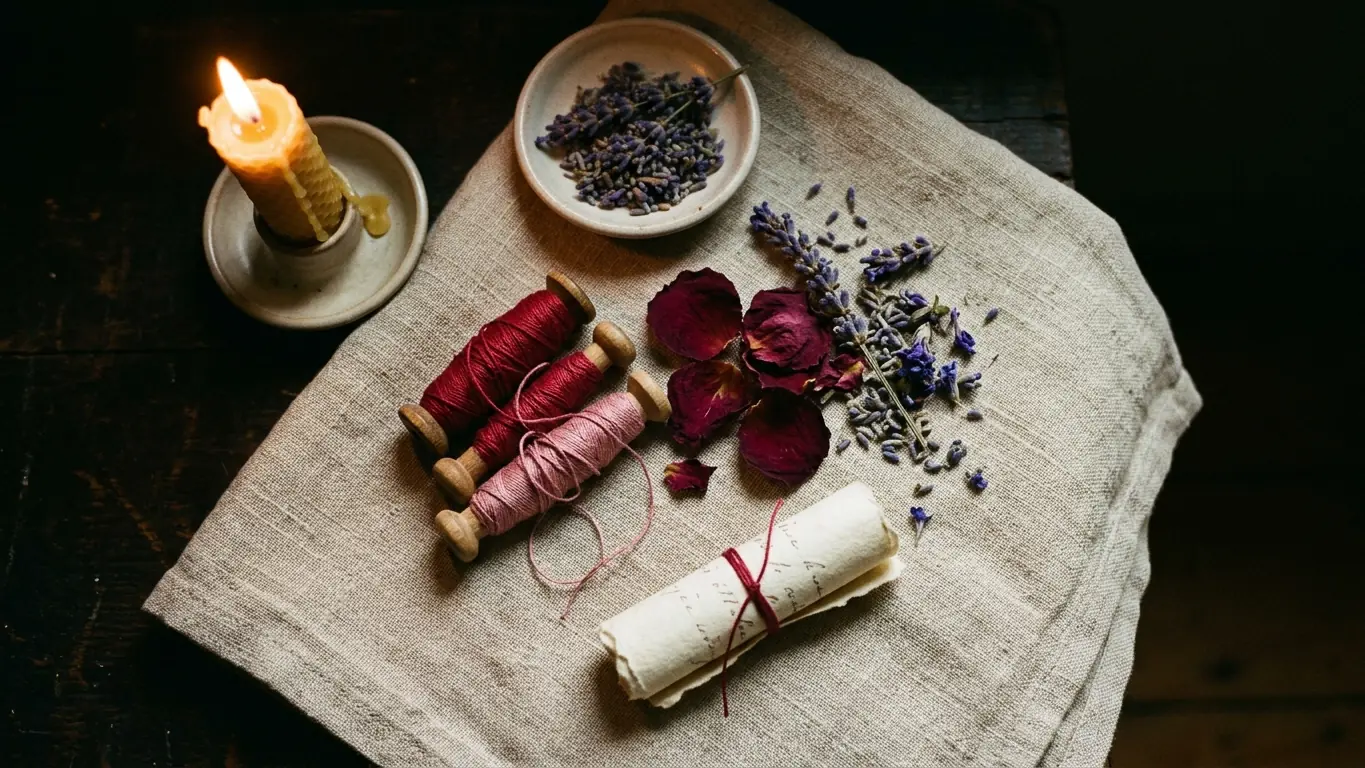
Some people like to make a small cloth figure of themselves during a hard time, as a way of caring for their own heart. It is gentle and private. Sew or tie a simple figure from soft cloth, fill it with dried rose petals and lavender, and write your own name and a word like “peace” or “healing” on a slip of paper inside. Keep it somewhere safe and hold it when you feel low. This is not love work on anyone else; it is a small act of self-care. Our post on self-love rituals has more ideas.
How to tell an honest doll ritual from a scam
An honest practitioner explains what the figure is for, what materials are used, and what the ritual will and will not do. They never offer harm, never frighten you about curses, and never demand payment in gift cards. A scam often involves a “powerful doll” sold at a high price, threats about what happens if you stop, and a growing list of add-ons. Our post on how to choose a real love spell caster lists the warning signs.
Is doll work right for you?
Doll work suits situations where focus on a specific person helps: return, reconciliation, or holding a partner through a hard time. A free reading tells you whether it fits your case or whether another form of work would serve better. Start with a love reading.
Questions about voodoo dolls
Are voodoo dolls real?
Figures are used in many spiritual traditions. The pin-stuck “voodoo doll” image mostly comes from twentieth-century popular culture.
Can a voodoo doll hurt someone?
There is no evidence it can, and Baba Ali does not claim it can. Doll work here is only used for love, healing and protection.
What do the pins mean?
In some traditions pins fix an intention in place, like pinning a note. In tourist dolls, colored pins are labeled for fun.
Is a voodoo doll part of Haitian Vodou?
Pin-stuck dolls are not a prominent part of Haitian Vodou. Dolls appear in some contexts, such as messengers at shrines.
I found a doll with my name on it. What should I do?
Stay calm, and if someone is threatening you, contact the police. If worry stays with you, cleansing can help you feel clear.
Does a doll love ritual work faster?
Not necessarily. It adds focus. Most clients see the first signs within 3–7 days whatever the method.
Do I need to send anything for a doll ritual?
No. Your first name and date of birth, the other person’s first name if you choose, and your story are enough.
What if the ritual does not help?
Most clients see the first signs within 3–7 days. If you don’t, you get a full refund under the Refund Policy.