Self-love rituals are simple practices, such as a cleansing bath, a candle and journal, kind words in the mirror, or a honey jar for your own sweetness, that help you care for yourself before, during and after love work for someone else. They matter because the person who asks for love work is the one who has to live through the waiting, receive the love when it returns, or heal if it does not. A steadier, kinder relationship with yourself makes every other relationship stronger.
This post explains why self-love comes first, the signs you need it, a set of gentle rituals you can do at home, and how self-love fits with love work.
Why self-love comes first
When someone we love leaves, it can feel as if they took our worth with them. We replay what we did wrong, compare ourselves to their new partner, and wonder what is wrong with us. From that place, people often ask for love work out of desperation: they need the other person back to feel whole again.
Love work can help bring someone back. But it cannot fill a hole that was there before the relationship, and a person who feels worthless is more likely to accept poor treatment, chase too hard, and miss the signs that something is wrong. Self-love is not selfishness. It is the ground everything else stands on.
Signs you need self-love first
- You feel you cannot survive without this person.
- You are willing to accept things you know are harmful to keep them.
- You check their social media constantly and it controls your mood.
- You have stopped eating, sleeping or seeing friends.
- You blame yourself entirely for the breakup.
- You keep choosing people who are unavailable or unkind.
If several of these feel familiar, gentle self-love work alongside, or before, love work for someone else will help you. If you are in crisis or having thoughts of harming yourself, please call or text 988, the Suicide & Crisis Lifeline. It is free, confidential and open all day and night.
You cannot pour love into a relationship from an empty cup. Fill yours first.
Ritual 1: A cleansing bath for yourself
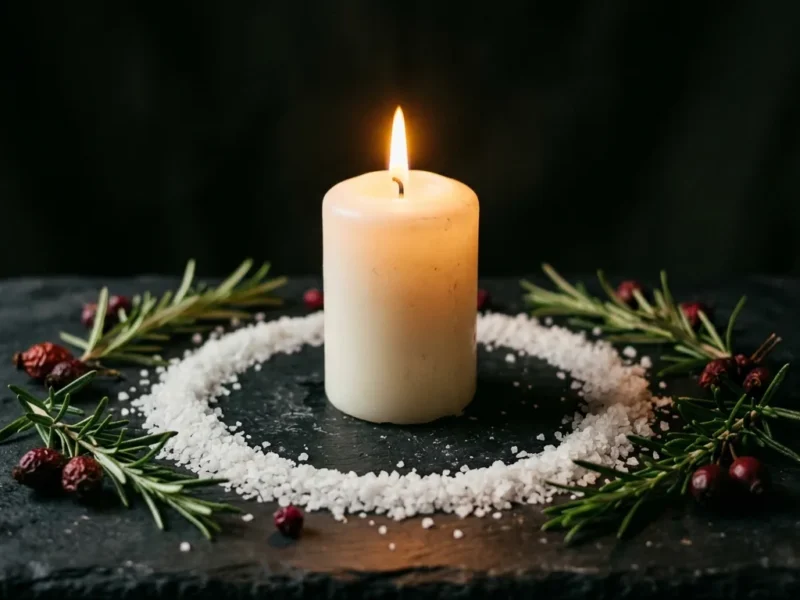
After a breakup, many people feel heavy, as if the hurt is sitting on their skin. A simple cleansing bath helps. Brew a handful of rosemary and a pinch of sea salt in hot water, let it cool to a comfortable temperature, and pour it over yourself from the neck down after a normal shower, or add it to a warm bath. As you do, say in your own words what you are letting go of. Finish with a few rose petals in fresh water for sweetness. The cleansing baths guide has safety notes and more recipes.

Ritual 2: A candle and three kind truths
Light a pink or white candle. Write down three things that are true and good about you: a strength, a kindness you have shown, something you have survived. Read them aloud. Keep the list and add to it each week. Put the candle out safely. It feels strange at first. Over time it becomes a small, steady reminder of your worth.
Ritual 3: A honey jar for your own sweetness
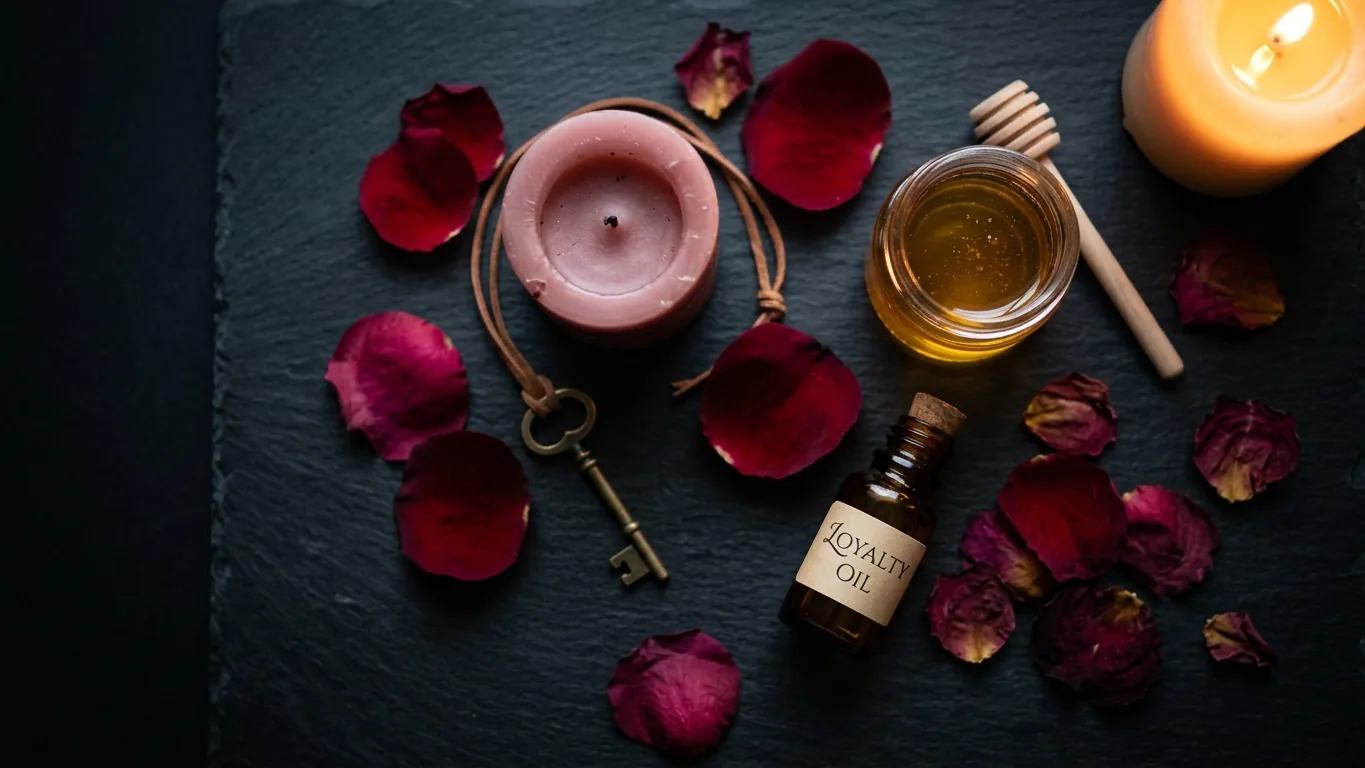
Sweetening is usually aimed at someone else, but it works beautifully turned toward yourself. Write your own name on a small paper, surround it with words like “peace,” “worthy,” “loved,” “calm.” Fold it toward you and place it in a small jar of honey with a few rose petals. Taste a little honey and say that you welcome sweetness back into your life. On hard days, light a small candle beside it. Our post on honey jar spells explains the tradition.
Ritual 4: The mirror
Once a day, look yourself in the eye in a mirror and say one kind thing, as you would to a friend who was hurting. “You are doing your best.” “You deserve gentleness.” “You will be okay.” It feels awkward, and many people cry the first few times. That is part of it.
Ritual 5: Journaling the truth
Set aside ten minutes, a few evenings a week, to write honestly about the relationship: what was good, what hurt, what you want next time. Writing helps move grief out of your head and onto paper. Over weeks, you may notice patterns you could not see before, and that clarity is valuable whether or not the relationship returns.
Ritual 6: Moving your body
Grief and anxiety live in the body. A daily walk, stretching, dancing alone in your kitchen, or any movement you enjoy, helps release them. It does not need to be exercise in the gym sense. Think of it as reminding your body that it is alive and yours.

Ritual 7: Tending your space
Clean one small area of your home each day. Put fresh flowers or a plant where you will see them. Clear away things that remind you of the worst moments. A calm, cared-for space tells your mind that you are worth caring for. A simple floor wash of water, salt and lemon, done from the back of the home toward the door, is a traditional way to clear heaviness.
Ritual 8: Reconnecting with people who love you
Heartbreak can make us withdraw. One of the most powerful self-love practices is simply letting people in: a call with a friend, dinner with family, a message to someone you have not seen in a while. Being reminded that you are loved by others makes the loss of one person less total.
A seven-day self-love plan
If you are not sure where to start, try one ritual a day for a week:
- Day 1: A cleansing bath, letting go of the heaviest feeling you carry.
- Day 2: A candle and three kind truths about yourself.
- Day 3: A long walk somewhere you enjoy, phone in your pocket.
- Day 4: Clean and freshen one space in your home.
- Day 5: Call or meet someone who makes you laugh.
- Day 6: Journal about what you want in your next chapter of love.
- Day 7: Make a small honey jar for your own sweetness.
At the end of the week, notice how you feel. Most people find the waiting a little lighter, and themselves a little steadier.
Self-love after being cheated on
Being betrayed can shatter self-worth in a particular way. People wonder what the other person had that they did not, and replay every sign they missed. The truth is that infidelity says far more about the person who cheated than about the person who was hurt. Self-love here means refusing to carry shame that is not yours. Healing and cleansing rituals, time with people who value you, and honest reflection help you decide, from a steady place, whether you want the relationship back at all.
Loneliness and self-love
Loneliness after a breakup can be overwhelming, especially at night and on weekends. Self-love does not make loneliness disappear, but it changes your relationship with it. Plan your hardest times: a call on Sunday evening, a class on Thursday night, a walk after dinner. Let yourself enjoy small things alone, like a favorite meal or film. Loneliness is a feeling, not a verdict. It passes more easily when it is met with care.
If you were raised to put everyone else first
Many people, especially those who grew up caring for others, find self-love uncomfortable. It can feel selfish or unfamiliar to put your own needs first even briefly. Start small, and remind yourself that caring for yourself makes you better able to care for the people you love. You are allowed to be on your own list.
Boundaries as self-love
Some of the most powerful self-love happens in the word “no.” No to checking an ex’s profile at midnight. No to friends who make you feel worse. No to someone who only reaches out when they need something. Boundaries protect the healing you are doing. They also show the people in your life, including anyone you hope will return, how you expect to be treated.
Self-love and the moon
Many people like to time self-love rituals with the moon: releasing hurt as the moon wanes, setting new intentions at the new moon, and giving thanks at the full moon. It is a gentle rhythm that gives the weeks some shape. The moon phases guide explains the cycle.
Self-love while you still want them back
Self-love does not mean you must stop hoping for your ex to return. You can want them back and care for yourself at the same time. In fact, the two work together. When you are steadier, you are less likely to chase, beg or react badly when they reach out, and more likely to handle reconnection with grace. Self-love is not giving up on the relationship; it is making sure you are whole whatever happens.
What self-love is not
- It is not pretending you are fine when you are not.
- It is not buying things to fill an empty feeling.
- It is not cutting off everyone who ever hurt you in anger.
- It is not perfection or constant positivity.
Self-love is simpler and quieter: treating yourself with the patience and kindness you would offer someone you love.
A letter to yourself
One gentle ritual many people find powerful: write a letter to yourself from the version of you who has come through this heartbreak, a year from now. What would that person want you to know? What would they thank you for? What would they tell you to stop worrying about? Seal the letter and open it on a hard day. It is often surprisingly comforting.

Self-love for couples
Couples benefit from self-love too. Partners who each look after their own wellbeing bring more patience and warmth to the relationship. Some couples make it a shared practice: a weekly evening where each does something restorative, or a morning walk together without phones. Caring for yourself is not a step away from your partner; it is a gift to the relationship.
Small daily acts of self-respect
Self-love is not only in rituals. It lives in small daily choices: going to bed at a reasonable hour, eating something nourishing, drinking water, speaking kindly to yourself when you make a mistake, keeping promises you make to yourself. Each one tells your mind that you matter. Over weeks, those small acts add up to a stronger sense of worth.
Self-love after a long relationship ends
When a long relationship ends, people sometimes realize they no longer know who they are on their own. Tastes, friendships and routines were shared for so long that separating them feels strange. Self-love here means rediscovering yourself: trying a new hobby, revisiting something you used to love, spending time with friends you drifted from. It can be a surprisingly hopeful process, even in grief. Many people find parts of themselves they had set aside for years: a love of music, a friend they had lost touch with, a dream they postponed. Those discoveries are not consolation prizes. They are part of becoming someone who can love and be loved well again, with or without the person they lost. Give yourself permission to enjoy them, even on days when the grief is still close. Joy and sadness can share the same afternoon, and that is not betrayal of either.
How self-love fits with love work
Self-love and love work are not opposites. Many clients do both: love work for the relationship, self-love for themselves while the work settles. The two support each other. Someone who is calmer and kinder to themselves responds better when an ex reaches out, avoids the mistakes that push people away, and can tell the difference between a healthy return and an unhealthy one. Our post what to do after a love spell is cast shows how self-care fits into the weeks after a ritual.
Self-love and choosing better
People who love themselves tend to choose partners who treat them well. Self-love work can quietly change who you are drawn to, making unavailable or unkind people less appealing and steady, warm people more so. That is part of why many practitioners suggest self-love before soulmate work. Our post soulmate spells: finding vs keeping love explains more.
When self-love means letting go
Sometimes self-love leads to a hard conclusion: the relationship you are grieving was not good for you. If a partner was cruel, controlling or unfaithful again and again, loving yourself may mean not asking them back. Healing work can help you release the bond with dignity. And if you are in danger, the National Domestic Violence Hotline is free and confidential at 1-800-799-7233.
Self-love is not a luxury
Some people feel self-love rituals are indulgent, or something for people with easier lives. They are not. They are basic care for someone who is hurting, and that someone is you. You would make tea for a friend in pain, sit with them, remind them of their worth. These rituals are the same kindness, turned inward.
Getting support
If heartbreak is affecting your sleep, work or health for weeks, talk to a doctor or counselor. That does not replace spiritual work; it supports the person the work is for. The aftercare page lists free, confidential support lines, including SAMHSA’s National Helpline at 1-800-662-4357 for mental health and substance use.
Starting love work from a steadier place
When you are ready, a free reading with Baba Ali Musa can help you decide what comes next: return work, soulmate work, healing, or simply more time. You will hear honestly what the reading shows. Start with a love reading.
Questions about self-love rituals
Why do self-love before a love spell?
Because you are the one who lives through the waiting and receives the love. A steadier you makes better choices and handles reconnection well.
Can I do self-love and love work at the same time?
Yes. Many clients do. The two support each other.
What is the easiest self-love ritual to start with?
A candle and three kind truths about yourself, written and read aloud. It takes five minutes.
Is self-love selfish?
No. It is basic care, and it makes you better able to love others well.
What if I feel too low to do any of this?
Start with one small thing, like a glass of water or a short walk, and reach out for support. Call or text 988 if you are in crisis.
How long should I focus on self-love before other work?
There is no fixed rule. Even a week of gentle rituals helps. The reading can suggest whether healing should come first.
Can self-love help me stop checking my ex’s social media?
Yes. Boundaries are a form of self-love. Muting their accounts is a kind first step.
What if love work does not help?
Most clients see the first signs within 3–7 days. If you don’t, you get a full refund under the Refund Policy.