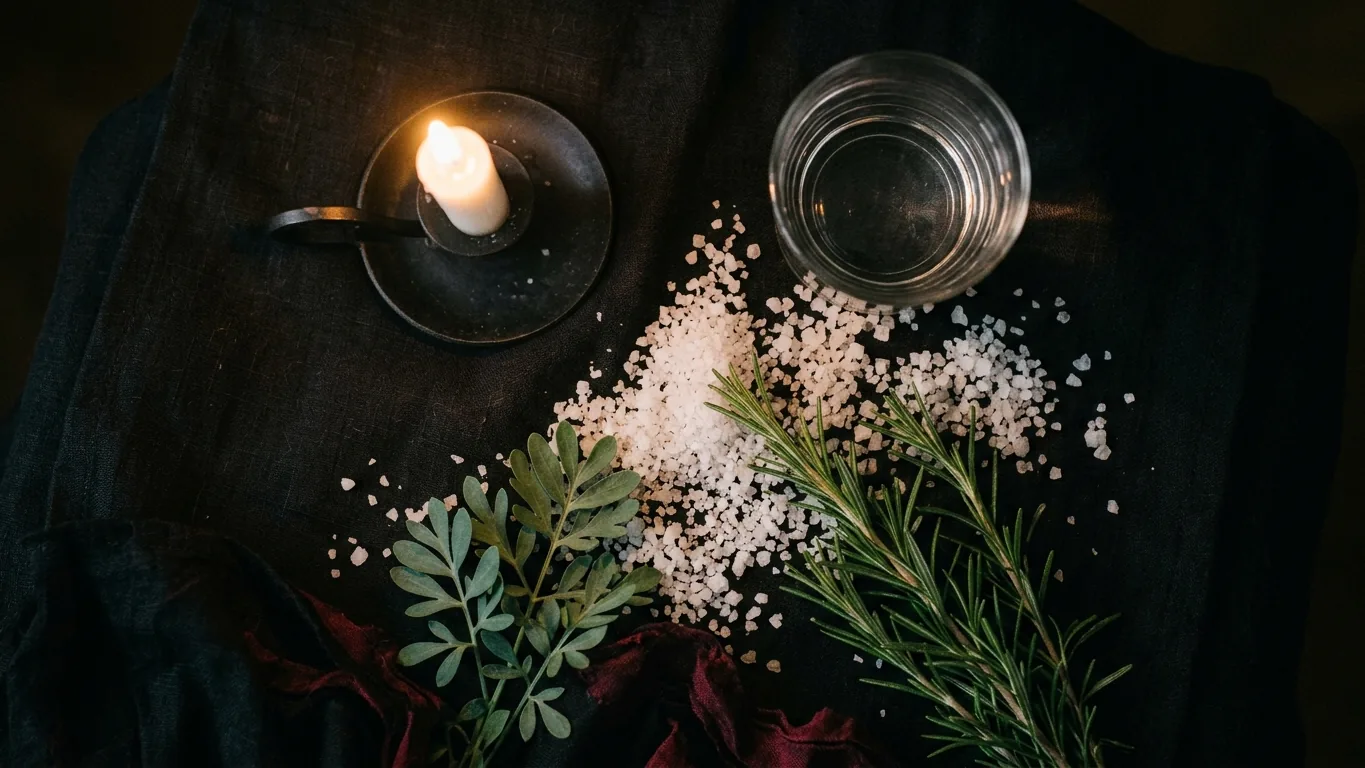
A spiritual cleansing bath is a bath or rinse made with herbs, salt or other natural ingredients, taken with prayer or intention. The goal is to wash away heaviness: the leftover weight of a breakup, an argument, jealousy, bad luck or someone else’s influence. People use them before starting love work, after a painful event, or simply to feel like themselves again.
Cleansing baths appear in many traditions, from Southern Hoodoo to Caribbean and Latin American practice to West African herbal medicine. This guide explains when they are used, gives a few simple and safe recipes, and walks through how to take one.
Why cleansing comes before love work
Imagine trying to paint a wall covered in old, peeling paint. The new color never sits right. Love work is similar. If you are carrying resentment, grief or another person’s interference, new work has to push through all of that first. Clearing it makes room.
That is why Baba Ali Musa sometimes pairs love work with Uncrossing & Cleansing for Love, especially when a reading shows old work from someone else, or when a client has been through something very painful. A bath at home is a gentler, everyday version of the same idea.
When people take a cleansing bath
- Before a consultation or the start of ritual work.
- After a breakup, to wash off the shock and heaviness.
- After a bad argument or a hurtful encounter with an ex or their new partner.
- When everything seems to be going wrong at once.
- At the waning moon, the traditional time for release. See the moon phases guide.
Common ingredients
- Salt
- Sea salt or plain salt, the most universal cleanser.
- Hyssop
- A Biblical cleansing herb. Psalm 51:7 reads, “Purge me with hyssop, and I shall be clean” (King James Version). Many Christian clients like to read this verse during the bath.
- Rosemary and basil
- Fresh, clearing herbs used for peace in the home and for a clear head.
- Rose petals
- Added after cleansing to invite love and tenderness back in.
- Lavender
- Calm and gentle; good when anxiety is the main problem.
- Lemon or lime
- A few slices for freshness and cutting through heaviness.
The ingredients glossary has more detail on each.
Three simple recipes
A basic clearing bath. A small handful of sea salt, a sprig of rosemary and a few basil leaves. Good for any time you feel heavy.
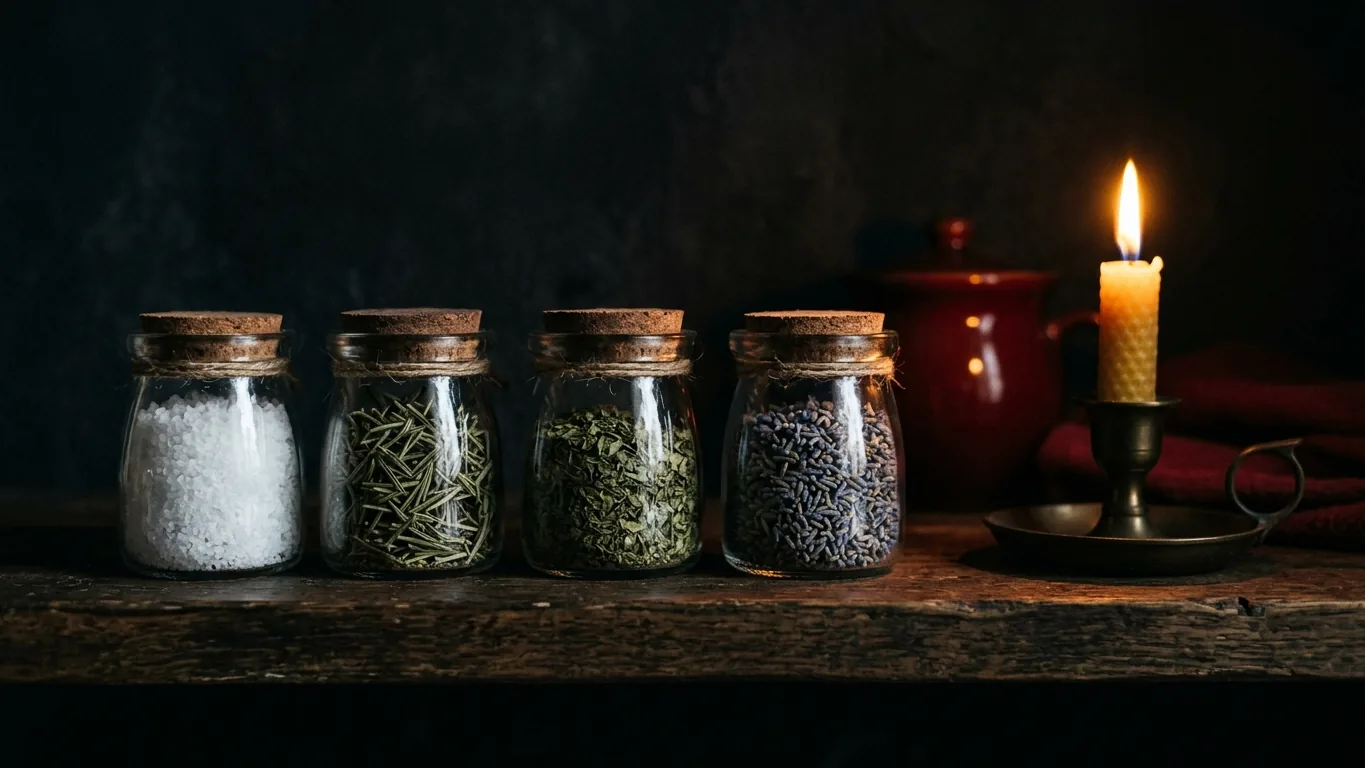
A hyssop bath. Two tablespoons of dried hyssop and a pinch of salt. Use when you feel guilty, ashamed or stuck on something you said or did.
A sweetening rinse. After a clearing bath, a second rinse of rose petals, a spoonful of honey dissolved in warm water and a little lavender. It follows clearing with warmth.
How to take a cleansing bath
- Brew the herbs. Steep them in a pot of hot water for 10 to 15 minutes, like tea. Let it cool to a comfortable temperature, then strain.
- Clean yourself first. Shower normally with soap before the spiritual bath.
- Set your intention. Hold the bowl or pot and say, in your own words, what you want to release.
- Pour or soak. Pour the mixture over yourself from the neck down, or add it to a bathtub and soak for about ten minutes. Many traditions keep baths off the head unless a practitioner says otherwise.
- Move downward to remove. In Hoodoo, you wipe or pour downward to push things off you, and upward to draw things in. Use downward motions for cleansing.
- Air dry. If you can, let yourself dry naturally rather than toweling off. Dress in clean, light-colored clothes.
- Dispose of the leftovers. Pour any leftover water on the ground outside, or down the drain with running water.
Safety first
- Patch test. Try a little of the mixture on your inner arm a day before, especially if you have sensitive skin or eczema.
- No undiluted essential oils. A few drops in a full tub at most, mixed with a carrier like milk or oil. Cinnamon, clove and pepper oils can burn skin.
- Pregnancy. Avoid rue, pennyroyal, mugwort and strong essential oils entirely if you are pregnant, trying to conceive or breastfeeding. Ask your doctor before any herbal bath.
- Temperature. Warm, not hot. Test the water first.
- Slips. Herbs and oils make tubs slippery. Use a mat and take care getting out.
- Never drink it. Even if every ingredient is edible, a bath is not a tea.
What a bath can and cannot do
A cleansing bath helps you feel lighter, calmer and more ready for what comes next. It is a reset, not a solution on its own. It will not bring someone back by itself, and it is not a replacement for medical or mental health care. If you are struggling to cope, the aftercare page lists free, confidential support lines.
Cleansing your home
Heaviness can settle in a space as well as a person, especially a home where arguments happened or a partner moved out. A few simple practices help:
- Open the windows and let fresh air move through every room for a few minutes.
- Floor wash. In Southern Hoodoo, floors are washed with water, a little salt and a squeeze of lemon, working from the back of the home toward the front door, to push heaviness out. Pour the used water outside or down the drain.
- Clear the clutter that reminds you of the worst moments. You do not have to throw away every memory, but you do not need to look at broken things every day.
- Smoke with care. Many people burn herbs to cleanse a room. Rosemary, bay leaves or cedar are good choices. White sage is sacred to several Native American nations and has been over-harvested, so many practitioners now avoid buying it.
After cleansing, add something sweet: fresh flowers, a bowl of fruit or a candle for peace. Clearing makes room; sweetness fills it.
How often to take a cleansing bath
More is not better. For most people, one bath marks the moment well: after a breakup, before starting new love work, or on a waning moon when you want to let something go. Some people take a short series, such as three baths on three nights, when the weight feels heavy. Daily cleansing baths are rarely needed, and salt and herbs can dry or irritate the skin if used too often. Listen to your body. If your skin feels tight or itchy, stop, rinse with plain water and use a gentle moisturizer.
A bath is also a good moment to check in with yourself. How are you sleeping? Eating? Are you leaning on friends? Cleansing works best alongside ordinary care, not instead of it.
Questions about cleansing baths
How often should I take a cleansing bath?
Once a week or after a hard event is plenty. Daily baths are not needed.
Can I take a bath while Baba Ali’s work is active?
Follow your own aftercare notes. Some rituals ask you to wait a few days before any cleansing, so the work can settle.
I do not have a bathtub. Can I still do this?
Yes. Pour the mixture over yourself in the shower from a bowl or jug.
Can a bath remove a curse?
It can help you feel clear. Be wary of anyone who says you are cursed and sells expensive removal. See the scam warning signs.