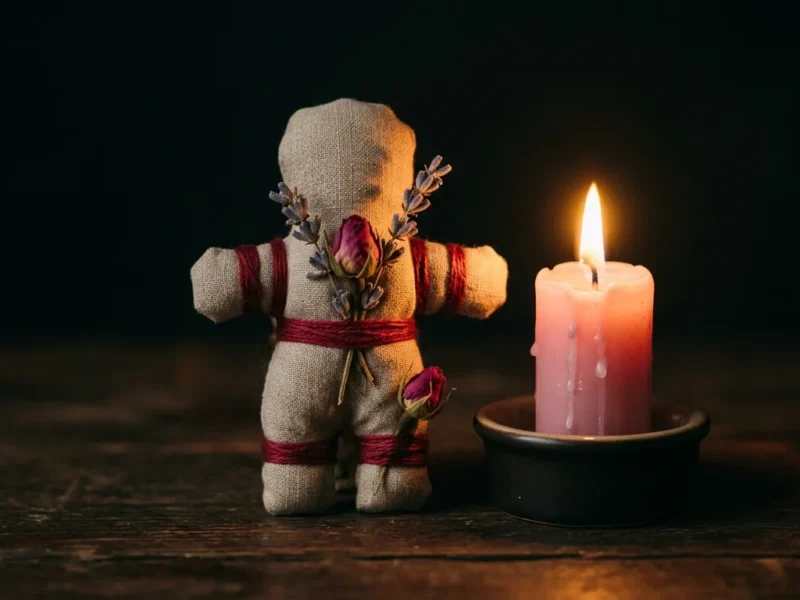
Voodoo, Hoodoo and Santería all grew from West African spiritual traditions carried to the Americas by enslaved Africans, but they are different things. Haitian Vodou and Santería are organized religions with priests, initiations and spirits (the lwa and the orishas). Louisiana Voodoo is a New Orleans blend of African, Haitian, French and Catholic influences. Hoodoo, also called rootwork or conjure, is a Southern African American spiritual practice centered on roots, herbs, prayer and practical results, and it has no formal priesthood.
They share a lot: respect for ancestors, a belief that the spiritual and physical worlds touch, and a long history of love work. But treating them as the same thing is like confusing Catholicism, Methodism and folk remedies because they all involve prayer. This post explains each one, compares them side by side, and shows where Baba Ali Musa’s Senegalese practice fits.
The shared root: West Africa
All three traditions trace back to the spiritual life of West and Central Africa. The Fon and Ewe peoples of what is now Benin and Togo practiced Vodun. The Yoruba of Nigeria and Benin honored the orishas. The Kongo peoples of Central Africa had their own powerful ritual traditions, including charms called minkisi. Farther west, in Senegambia, Wolof, Serer, Mandinka and Lebu communities kept ancestral practices alongside Islam.
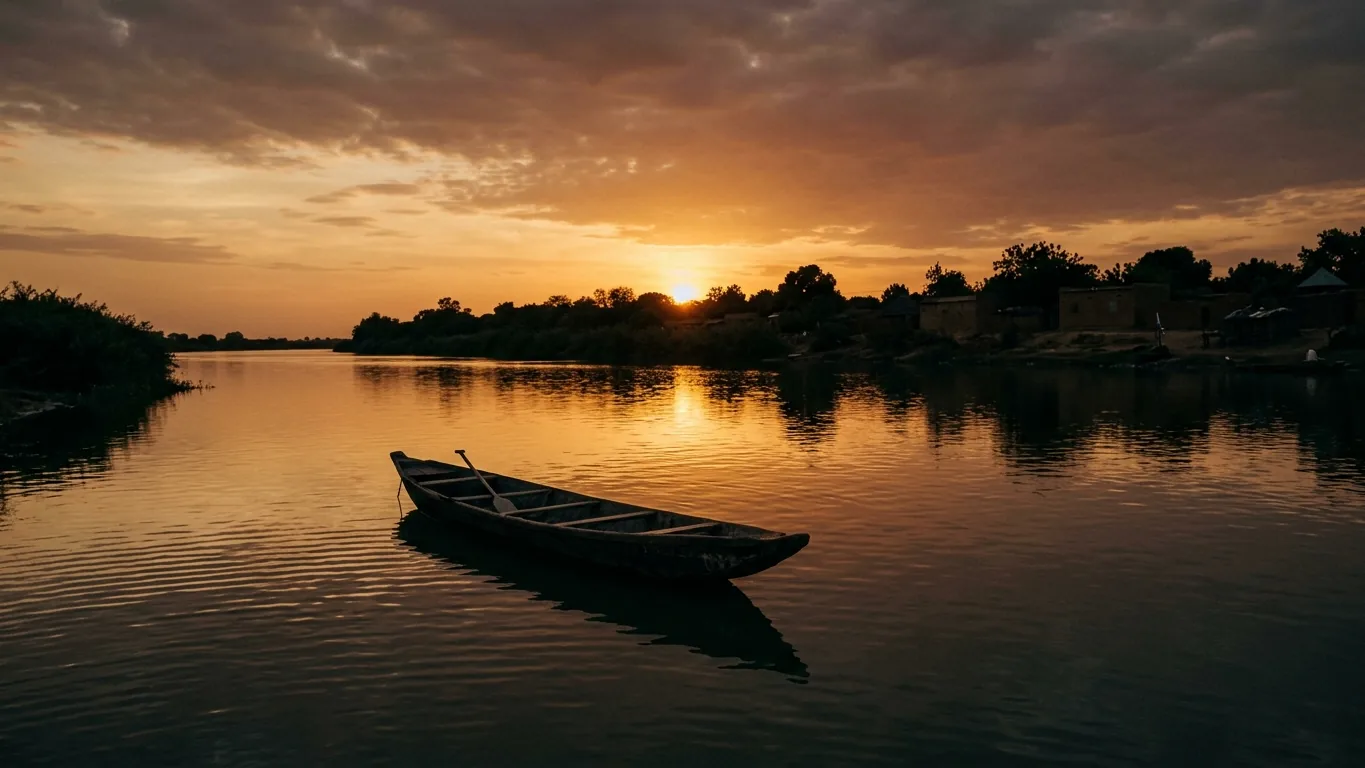
Between the sixteenth and nineteenth centuries, the Atlantic slave trade scattered people from all of these regions across the Caribbean and the Americas. Where they landed, who they landed among, and which colonial power ruled them shaped what their traditions became. French Saint-Domingue (later Haiti) produced Vodou. Spanish Cuba produced Santería. French and Spanish Louisiana produced Louisiana Voodoo. The English-speaking American South produced Hoodoo.
Language shaped them too. Vodou prayers mix Haitian Kreyòl, French and African words; Santería keeps a ritual form of Yoruba called Lucumí; Hoodoo speaks in Southern English and the language of the King James Bible. So the differences are not random. They reflect different African roots, different colonial pressures and different ways people found to survive.
Haitian Vodou
What it is
Haitian Vodou is a religion. It teaches that there is one creator, Bondye, who is distant, and many spirits called lwa who can be approached through ritual, music, offerings and possession. It has priests (houngan) and priestesses (mambo), temples (ounfò), initiation, and a large body of songs, rhythms and ritual drawings called vèvè. Haiti’s government gave Vodou official recognition in 2003 (Haitian Vodou).
Where love fits
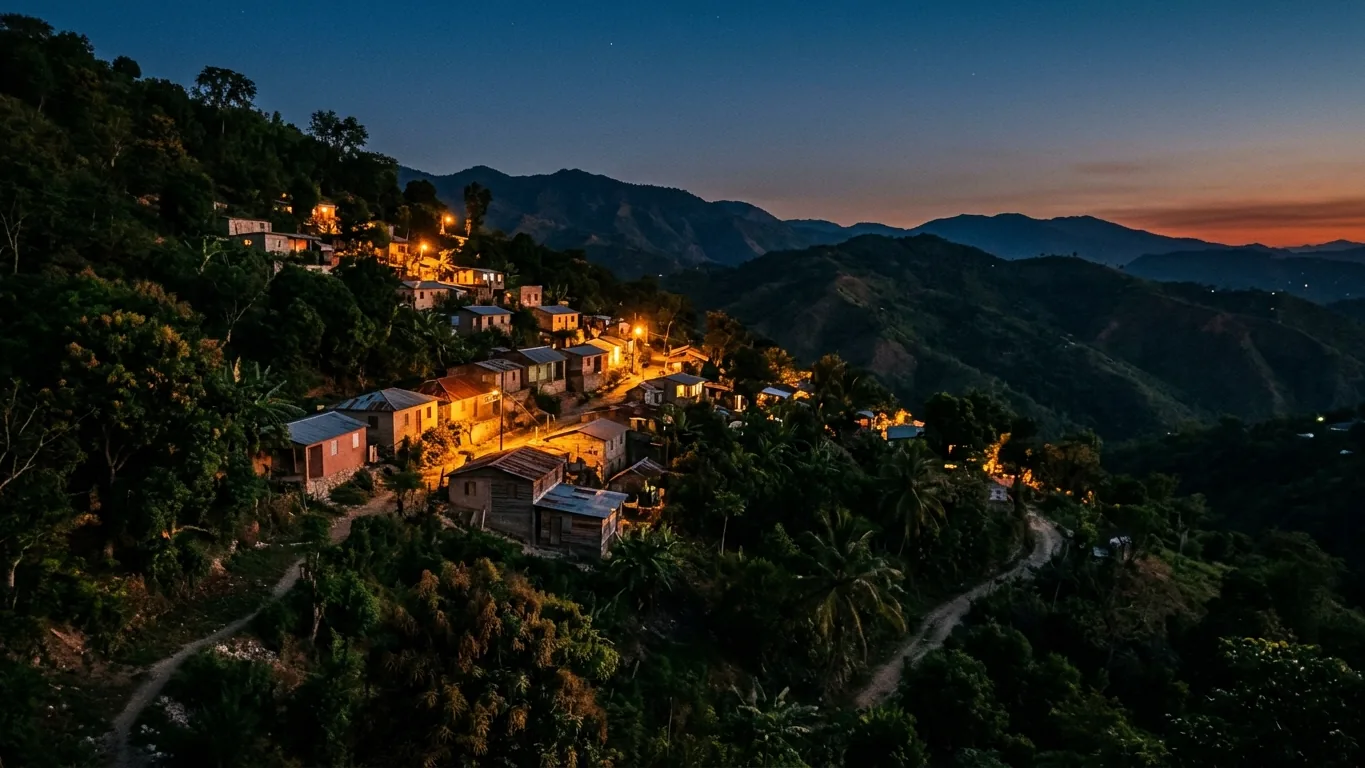
Love in Vodou is closely tied to the Erzulie family of lwa, especially Erzulie Freda, the spirit of love, beauty and longing. People serve her with perfume, sweets, flowers and fine things, and ask for help with relationships. Our guide to Erzulie Freda and love explains her with care.
What outsiders get wrong
Vodou is not devil worship, zombies are not a religious practice, and pins in dolls are mostly a Hollywood invention. Much of the fear around Vodou was manufactured by outsiders, especially during the US occupation of Haiti from 1915 to 1934, when sensational books and films shaped the popular image.
Louisiana Voodoo
What it is
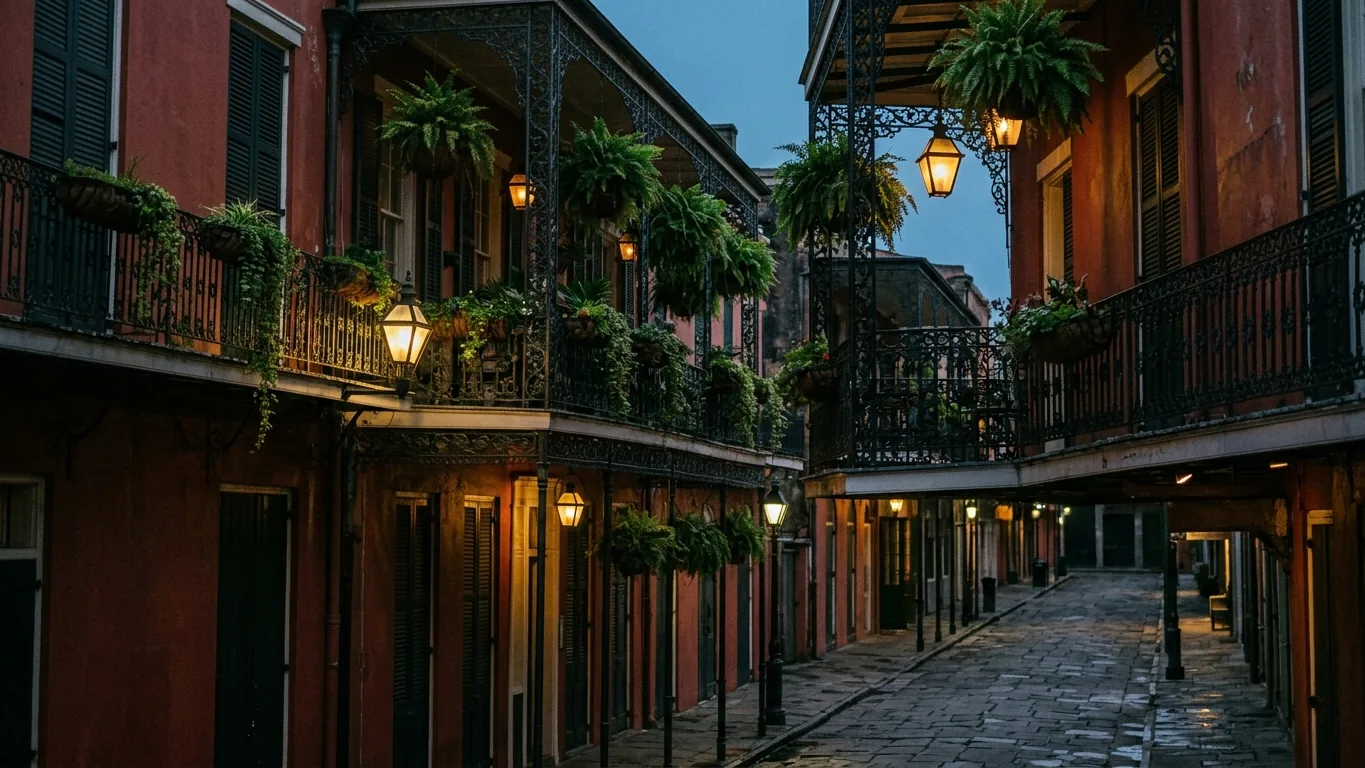
Louisiana Voodoo formed in New Orleans from the practices of enslaved Africans, free people of color, and refugees from Saint-Domingue who arrived in large numbers in the early 1800s. It blended African spirits, Catholic saints, local herbal knowledge and Haitian influence. Its most famous figure is Marie Laveau, the nineteenth-century practitioner known as the “Voudou Queen” of New Orleans, who was also a lifelong Catholic (64 Parishes).
Where love fits
Love and marriage work was central to Louisiana Voodoo’s reputation. People of every background came to practitioners like Laveau for help with lovers, marriages and rivals. That history is why New Orleans remains the American city most associated with voodoo love spells. Our post on the history of voodoo love magic in New Orleans tells that story.
Today
Today Louisiana Voodoo exists alongside a large tourist industry in the French Quarter. Some shops are run by serious practitioners; many are not. If you visit, respect the difference between a temple and a souvenir stand.
Hoodoo
What it is
Hoodoo, also called rootwork or conjure, developed among Black Southerners in the United States. It is usually described as a spiritual practice rather than an organized religion. There are no temples or formal priesthoods; knowledge passes through families and apprenticeships, and practitioners are called rootworkers or conjure doctors. Hoodoo has often blended with Protestant Christianity, Catholicism, Spiritualism and, in its early history, Islam (Hoodoo). Many rootworkers pray the Psalms as part of their work.
Where love fits
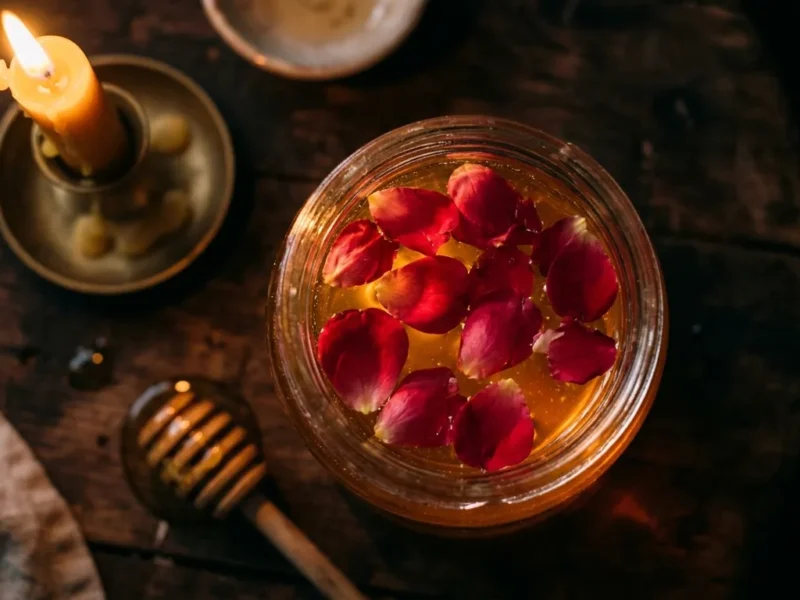
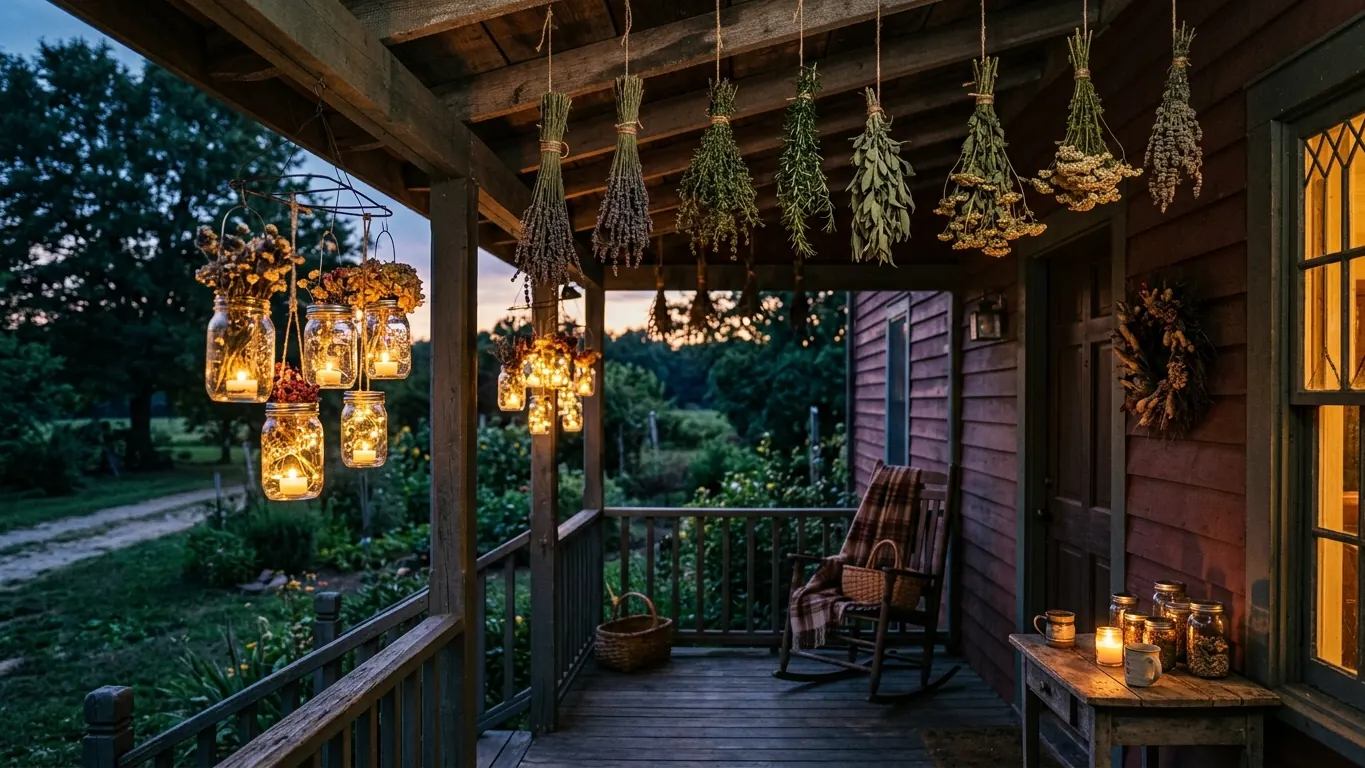
Love work is one of Hoodoo’s best-known areas. The honey jar (or sugar jar) sweetens someone toward you. Paired lodestones draw two people together. Love powders, oils and baths add attraction. Hoodoo is practical: it aims at results in daily life, like a partner returning, a marriage calming or a rival fading. Our post on honey jar spells goes into one of its best-known practices.
Where it spread
During the Great Migration, millions of Black Southerners moved north and west, and Hoodoo traveled with them to Chicago, Detroit, Los Angeles and beyond. Spiritual supply shops and mail-order catalogs kept it alive in cities far from its rural roots.
Santería (Lucumí)
What it is
Santería, also known as Regla de Ocha or Lucumí, is an Afro-Cuban religion rooted in Yoruba tradition. It developed in Cuba, taking shape in its modern form in the late nineteenth century (Santería). Practitioners honor the orishas, powerful spirits each linked with elements of nature and parts of human life, at altars in the home or in a house-temple (ilé) led by a santero or santera. Divination specialists called babalawos read the oracle of Ifá.
Where love fits
The orisha most associated with love is Oshun (Ochún), linked with rivers, beauty, sweetness, fertility and love. In Cuba she is syncretized with Our Lady of Charity, the patroness of the island. People ask Oshun for help with romance, marriage and attraction, often with sweet offerings. Santería practitioners approach this through their ilé and priests, with initiation and ongoing relationships with the orishas.
Legal recognition in the US
In 1993 the US Supreme Court ruled in Church of the Lukumi Babalu Aye v. City of Hialeah that city ordinances targeting Santería rituals violated the Free Exercise Clause of the First Amendment (Oyez). It remains one of the most important religious freedom cases involving an African diaspora religion.
Same roots, different branches. Respecting the difference is part of respecting the people who kept these traditions alive.
Side by side
| Haitian Vodou | Louisiana Voodoo | Hoodoo | Santería | |
|---|---|---|---|---|
| Where it formed | Haiti | New Orleans | American South | Cuba |
| Main African roots | Fon, Kongo, Yoruba and others | Mixed West and Central African, Haitian | West and Central African | Yoruba |
| Religion or practice? | Religion | Religion and practice | Spiritual practice | Religion |
| Spirits | Lwa | Spirits and saints | God, ancestors, saints; few named spirits | Orishas |
| Priests | Houngan, mambo | Priestesses and priests | None formal; rootworkers | Santero/santera, babalawo |
| Love figure or tool | Erzulie Freda | Love and marriage work | Honey jar, lodestones | Oshun |
| Christian link | Catholic saints | Strongly Catholic | Often Protestant, Psalms | Catholic saints |
What they share
- Ancestors matter. The dead stay part of the family and can help the living.
- The spiritual world is close. It can be approached through prayer, ritual and offerings.
- Practical help is holy. Healing, protection, luck and love are proper reasons to pray.
- Materials carry meaning. Candles, herbs, honey, water, cords and stones all appear across traditions.
- Survival. Each tradition was kept alive under enormous pressure, often in secret.
A brief timeline
- 1500s–1800s. The Atlantic slave trade carries millions of West and Central Africans to the Caribbean and the Americas, along with their spiritual traditions.
- 1791. The Haitian Revolution begins. A Vodou ceremony at Bois Caïman is traditionally remembered as one of its sparks.
- 1809–1810. Thousands of refugees from Saint-Domingue arrive in New Orleans, bringing Haitian influence to Louisiana Voodoo.
- 1801–1881. The life of Marie Laveau, the most famous figure in Louisiana Voodoo.
- Late 1800s. Santería takes its modern shape in Cuba.
- 1910–1970. The Great Migration carries Hoodoo from the rural South to cities across the United States.
- 1915–1934. The US occupation of Haiti, during which sensational books and films spread a distorted image of Vodou.
- 1993. The Supreme Court protects Santería rituals in Lukumi Babalu Aye v. Hialeah. The same year, Benin establishes an annual National Vodún Day.
- 2003. Haiti grants Vodou official recognition.
How each tradition honors the dead
Ancestors are one of the strongest threads running through all of these traditions, but each honors them in its own way. In Haitian Vodou, the Gede spirits rule death and the cemetery, and ancestors are fed and remembered at family altars. In Santería, the egun, or ancestors, are honored before the orishas, often with a simple glass of water, a candle and flowers. In Hoodoo, graveyard dirt, family Bibles and prayers at the graves of relatives connect practitioners to those who came before. In Senegal and across West Africa, ancestors are named, remembered and asked for blessings at family gatherings and important moments.
For love work, the ancestors matter because love is also about family: the families you come from, and the one you may build. Many practitioners, Baba Ali included, begin with prayer to God and the ancestors before any love ritual.
Myths that apply to all three
- “They are all devil worship.” None of them centers on a devil figure. All of them recognize a supreme God.
- “They are about curses.” Most practice in every tradition is about healing, protection, family, luck and love.
- “Only Black people can practice them.” These traditions come from African and diaspora communities, and respect for those communities matters. But people of many backgrounds are initiated into Vodou and Santería through legitimate houses, and many seek help from rootworkers.
- “They are dying out.” All of them are practiced by living communities today, in the Caribbean, the Americas and Africa.
Other relatives worth knowing
These four are the traditions Americans hear about most, but they have close relatives. Brazilian Candomblé honors the orixás in a tradition rooted in Yoruba, Fon and Bantu practice. Umbanda, also Brazilian, blends African, Indigenous, Catholic and Spiritist elements. Palo, from Cuba, draws on Kongo traditions. Espiritismo, common in Puerto Rico and Cuba, works with spirits of the dead through mediums and is often practiced alongside Santería. In West Africa itself, Vodun, Yoruba religion and many other traditions continue openly today.
Where Baba Ali’s practice fits
Baba Ali Musa works within a Senegalese ancestral lineage, passed down in the family and practiced for more than thirty years. Senegal sits in the same broad West African world that all of these diaspora traditions trace back to. Historical records even show Senegalese roots in New Orleans: the great-grandmother of Marie Laveau, a woman named Marguerite, is believed to have been transported from Senegal to Louisiana in the eighteenth century (64 Parishes).
Baba Ali is not a Haitian houngan, a Santería priest or a Southern rootworker, and does not claim to be. The site uses the word “voodoo” because it is the word English speakers use for this family of practices. The love work itself uses materials all of these traditions would recognize: candles, honey, cords, herbs, prayer and the moon. See Voodoo Love Spells or read What Is Voodoo? for more.
Respect, not borrowing
Because these traditions have become popular, a lot of people now sell pieces of them without understanding or permission: vèvè printed on T-shirts, “Erzulie oils” from people with no connection to Vodou, “Santería spells” sold by strangers online. If you are drawn to one of these traditions, the respectful path is to learn from its own community: Haitian houses for Vodou, ilés and priests for Santería, and elders and serious rootworkers for Hoodoo.
Baba Ali’s site uses original art only and never reproduces sacred symbols as decoration. That is not just politeness. These symbols mean something to living people.
Respect also means being honest about who you are. A practitioner who claims to be a Haitian mambo, a Santería priest and a Hoodoo root doctor all at once, and who sells work from every tradition on the same page, is almost certainly none of those things. Real practitioners know where their knowledge comes from and are clear about its limits. Baba Ali’s lineage is Senegalese, and that is what the work draws on.
How to choose the right practitioner for you
If you are looking for love work, ask a few questions before you pay anyone:
- Which tradition do you practice, and how did you learn it?
- What exactly will you do, and what will it not do?
- What does it cost in total, and what happens if nothing changes?
- Are there cases you decline?
A real practitioner of any tradition can answer these clearly. Our post on how to choose a real love spell caster lists the warning signs, and the scam warning signs guide explains what to do if you have been cheated.
Which is “strongest” for love?
People often ask which tradition has the most powerful love spells. It is the wrong question. Each tradition works within its own framework, and the skill, honesty and care of the practitioner matter far more than the label. A careless or dishonest worker in any tradition will not help you. A careful, honest one, working on a situation where a real bond still exists, gives you the best chance.
What matters most is that the work fits your situation: return work if someone has left, sweetening if things have gone cold, binding if you want a bond to hold. A free reading tells you which.
Questions about Voodoo, Hoodoo and Santería
Is Hoodoo the same as Voodoo?
No. Hoodoo is a Southern African American spiritual practice without formal priesthood. Voodoo usually refers to Louisiana Voodoo or Haitian Vodou, which are religions.
Is Santería a type of Voodoo?
No. Santería is an Afro-Cuban religion rooted in Yoruba tradition. It shares African roots with Vodou but has its own spirits, priests and rituals.
Which tradition is best for love spells?
All of them have love work. The honesty and skill of the practitioner, and whether the work fits your situation, matter more than the label.
Can Christians practice Hoodoo?
Many do. Hoodoo has long blended with Christianity, and many rootworkers pray the Psalms.
Does Baba Ali practice Vodou or Santería?
No. Baba Ali works within a Senegalese ancestral lineage from the same broad West African world these traditions come from.
Where does the word “voodoo” come from?
From Vodun, a word in the Fon language of Benin meaning spirit or the divine. It traveled to Haiti as Vodou and to Louisiana as Voodoo.
Who is the love spirit in Santería?
Oshun, the orisha of rivers, beauty, sweetness and love, syncretized in Cuba with Our Lady of Charity.
What if love work does not help?
Most clients see the first signs within 3–7 days. If you don’t, you get a full refund under the Refund Policy.