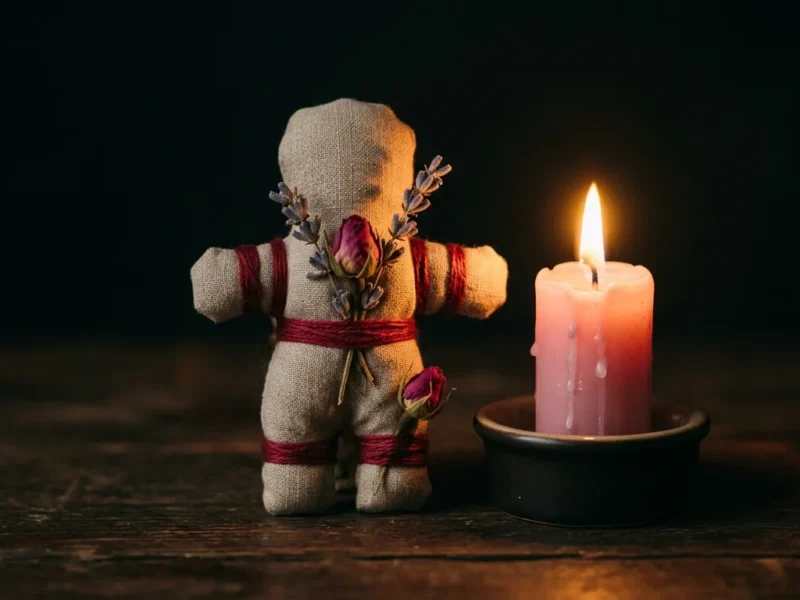
A voodoo love ritual, as Baba Ali Musa performs it, follows a clear sequence: a reading to understand the bond, cleansing to clear what is in the way, preparation of the altar and materials, the ritual itself with candles, cords, honey, herbs and prayer, a burning period timed with the moon, and aftercare for the client. There is nothing frightening involved: no blood, no horror props, no threats. It is quiet, careful, focused work, done at the altar on the client’s behalf.
This post walks through each stage so you know exactly what happens, what your part is, and what to expect afterward.
Before the ritual: the reading
No ritual starts without a reading. You share what happened through the private request form, WhatsApp, a call or email: your first name and date of birth, the other person’s first name if you choose, and the story in your own words. Baba Ali then reads the bond between you.
The reading answers three questions. Is the connection still open? What is standing in the way? Which work fits? Sometimes the answer is return work, sometimes sweetening, sometimes clearing first. Sometimes it is that no love work fits, and you are told so plainly and not charged. The reading is free.
If the work fits and you agree, you are told which materials the ritual needs and what they cost. There is no spell fee; you cover materials only. Nothing is bought until you say yes. Our consultation guide explains how to prepare.
Choosing the night
Love rituals are timed with the moon. Drawing work, like return and attraction, is usually started as the moon grows from new toward full. Binding and commitment often happen near the full moon. Clearing and uncrossing are done as the moon wanes. The full lunar cycle takes about 29.5 days (NASA), so there is usually a suitable night within a week or two.
When a situation is urgent, such as a divorce filing or a partner about to move away, the work is not delayed for the perfect phase. It can begin right away and be reinforced at the next suitable night. The moon phases guide explains more.
Cleansing the space and the work
Before anything is built, the space is cleansed. The altar is cleaned. Anything heavy from previous work is cleared away. In cases where the reading shows interference, such as another person’s influence or work by another caster, a clearing ritual is often done first, sometimes on a separate night.
Cleansing matters because love work built on heavy ground does not hold well. It is the same principle as a spiritual cleansing bath: clear first, then draw in. If you want to understand this stage, Uncrossing & Cleansing for Love describes it.
Preparing the altar
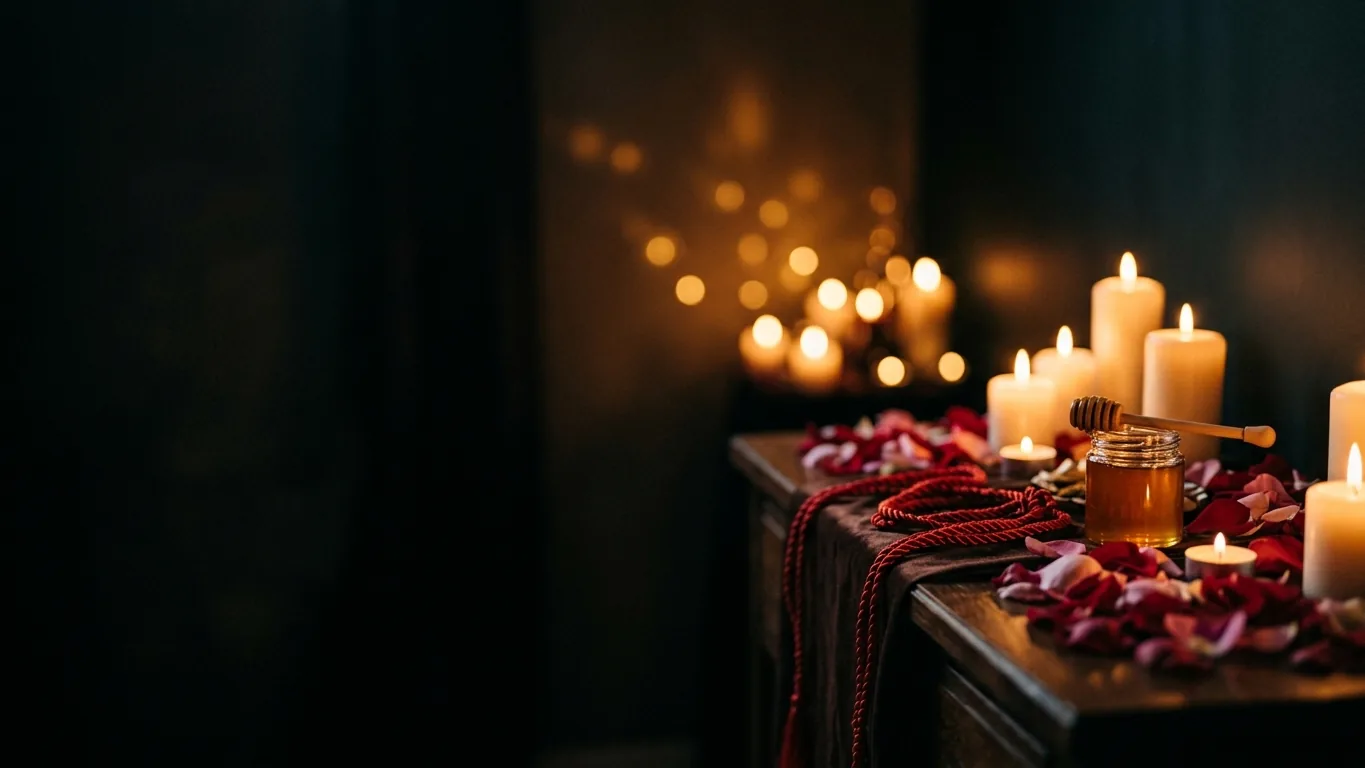
The altar is where the work lives. It is arranged with care for each case. A typical love altar holds:
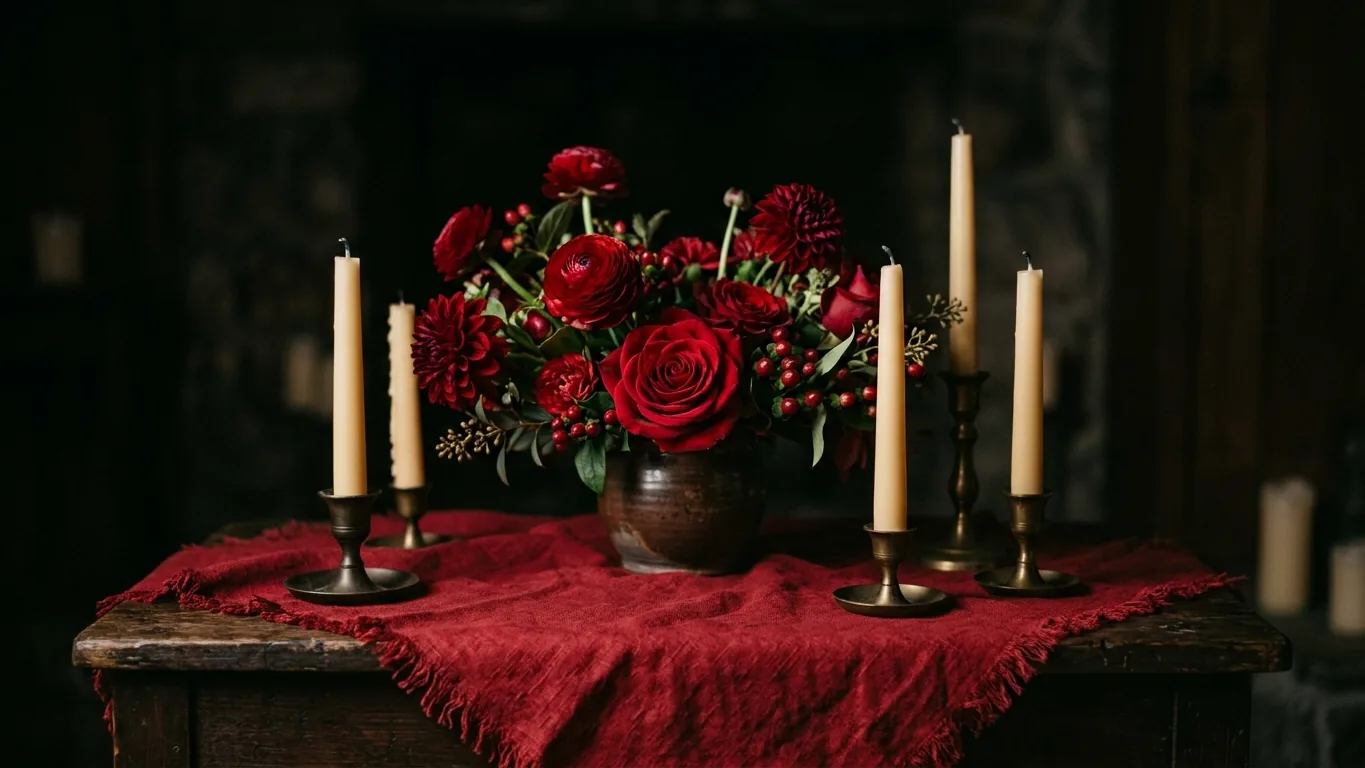
- Candles chosen by color for the work: often white to clear and red or pink to draw love.
- A petition, a short written prayer with the two names.
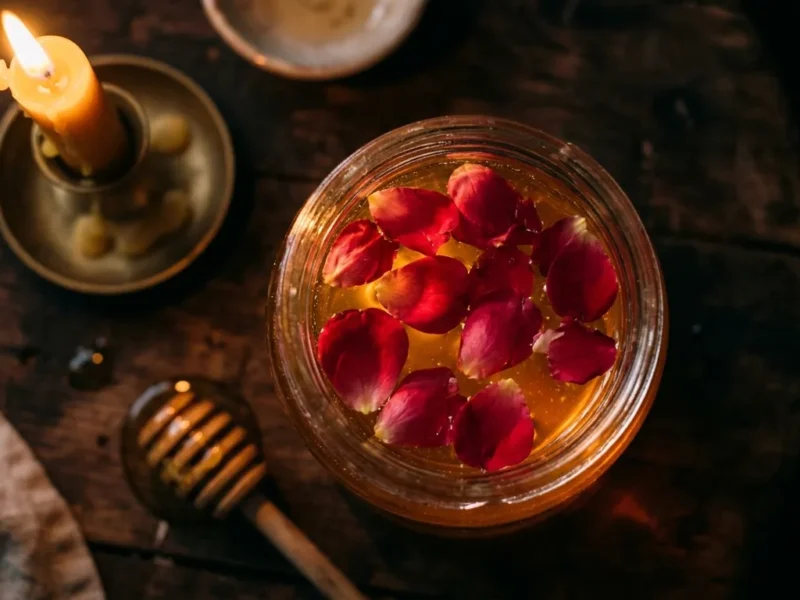
- Honey or sugar for sweetness.
- Herbs such as rose and lavender.
- Cord or ribbon for binding work.
- Water, which appears in many West African traditions as a symbol of life and flow.
Every item has a reason to be there. None of it is rare or expensive. The ingredients glossary explains what each stands for.
Preparing the candles
Candles are the heart of most love rituals. Each is prepared before it is lit:
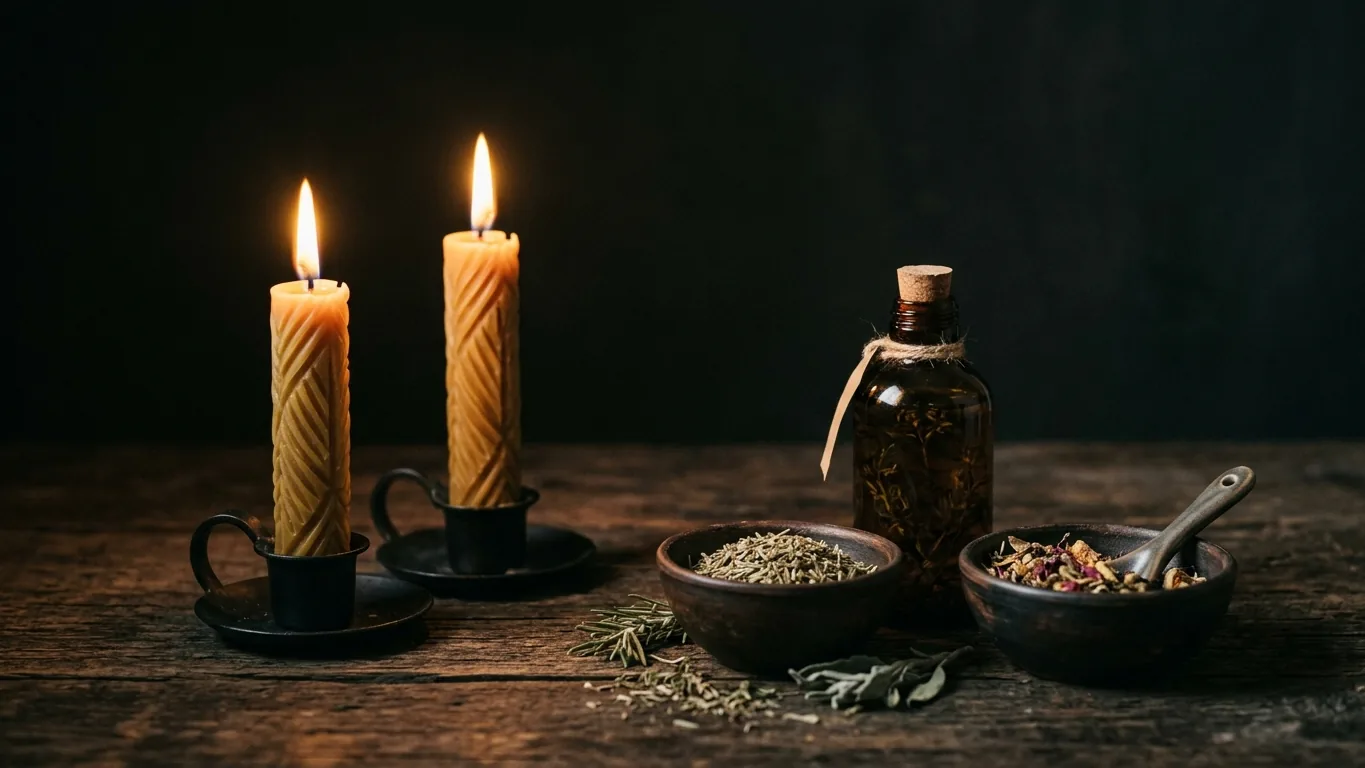
- Cleansed to remove whatever it picked up in the shop.
- Carved with names, initials or symbols.
- Dressed with oil, and sometimes rolled in herbs or sugar.
- Placed on or beside the petition.
In some reconciliation work, two figure candles are used, one for each person, set apart at first and moved a little closer each day. Our post on candle colors in love magic explains how colors are chosen.
The ritual itself
The ritual is performed at night, in quiet. It follows the lineage Baba Ali has practiced for more than thirty years. The specific words and gestures stay at the altar, as they do in most traditions. What can be described is the shape of the work:
- Opening prayer. Calling on God and the ancestors, asking for guidance and protection.
- Stating the intention. Clearly naming the two people and what the work is for.
- Lighting. Candles are lit in order, each with its own prayer.
- Sweetening. Honey or sugar is added to soften hearts.
- Tying. For binding work, knots are tied one by one, each with a prayer for a specific quality: warmth, attention, loyalty, peace.
- Closing prayer. Giving thanks and sealing the work.
There is no drama in the Hollywood sense. It is concentrated, patient prayer.
Real ritual is quiet. Most of its power is in care, patience and the words spoken over each candle.
The role of words and prayer
People often focus on the objects in a ritual: the candles, the honey, the cords. But in most African and diaspora traditions, the spoken word carries at least as much weight. A candle without a prayer is just a light. A knot tied without intention is just a knot.
That is why the petition matters, and why prayer runs through every stage of the ritual. The words name the people clearly, state what the work is for, and ask for help from God and the ancestors. They are spoken slowly and repeated as the work continues. Some traditions add songs or Psalms; Baba Ali’s lineage has its own prayers, handed down in the family.
This is also why honesty in your intake matters so much. The prayer can only be as clear as the understanding behind it. If key parts of the story are missing, the work is aimed at a situation that does not quite exist.
Why rituals are kept private
In most spiritual traditions, rituals are not performed for an audience, and the exact words are not published. There are a few reasons. Privacy protects the client, whose story is personal. It protects the concentration the work needs. And it respects the lineage, whose knowledge was passed down with care and is not meant to be copied by people who do not understand it.
What is shared openly is the shape of the work, which is what this post describes, along with what you can expect and what you will never be asked to do. That balance keeps things transparent without turning a prayer into a performance.
Rituals for couples and rituals for singles
Not every love ritual is about a specific person. When a client is single and wants to meet someone, the ritual looks different. There is no second name on the petition. Instead, the prayer describes the qualities the client hopes for in a partner and asks for the way to open. Candles are usually white and pink rather than red, and honey is used to sweeten the client’s own path. Soulmate work and attraction work follow this shape.
For couples, whether together or apart, the ritual centers on the bond between two named people. That is where return, sweetening and binding work belong.
Scheduling: how soon a ritual can happen
Once you agree to the work and materials are gathered, the ritual is scheduled for a suitable night. That is often within a few days to two weeks, depending on the moon and on what the work needs. Clearing may happen first, on its own night. Your case tracker updates at each stage: request received, consultation, preparation, ritual performed, aftercare. If your situation is urgent, say so, and the timing will be arranged accordingly.
What a ritual cannot do
A ritual is powerful, but it is not magic in the movie sense. It cannot take away someone’s choice, make an unsafe relationship safe, or replace the everyday kindness that keeps love alive. It opens doors, softens hearts and strengthens bonds. What happens after that depends on both people. Our post Do Voodoo Love Spells Really Work? gives the honest version of what to expect.
The burning period
After the ritual, candles often burn over several nights. Seven-day candles burn continuously; smaller candles may be lit night after night. During this time, Baba Ali tends the altar and keeps the prayers going. Candles are never left in unsafe conditions: fire safety is part of respecting the work. The candle guide includes the safety habits every home practitioner should know.
What happens to the remains
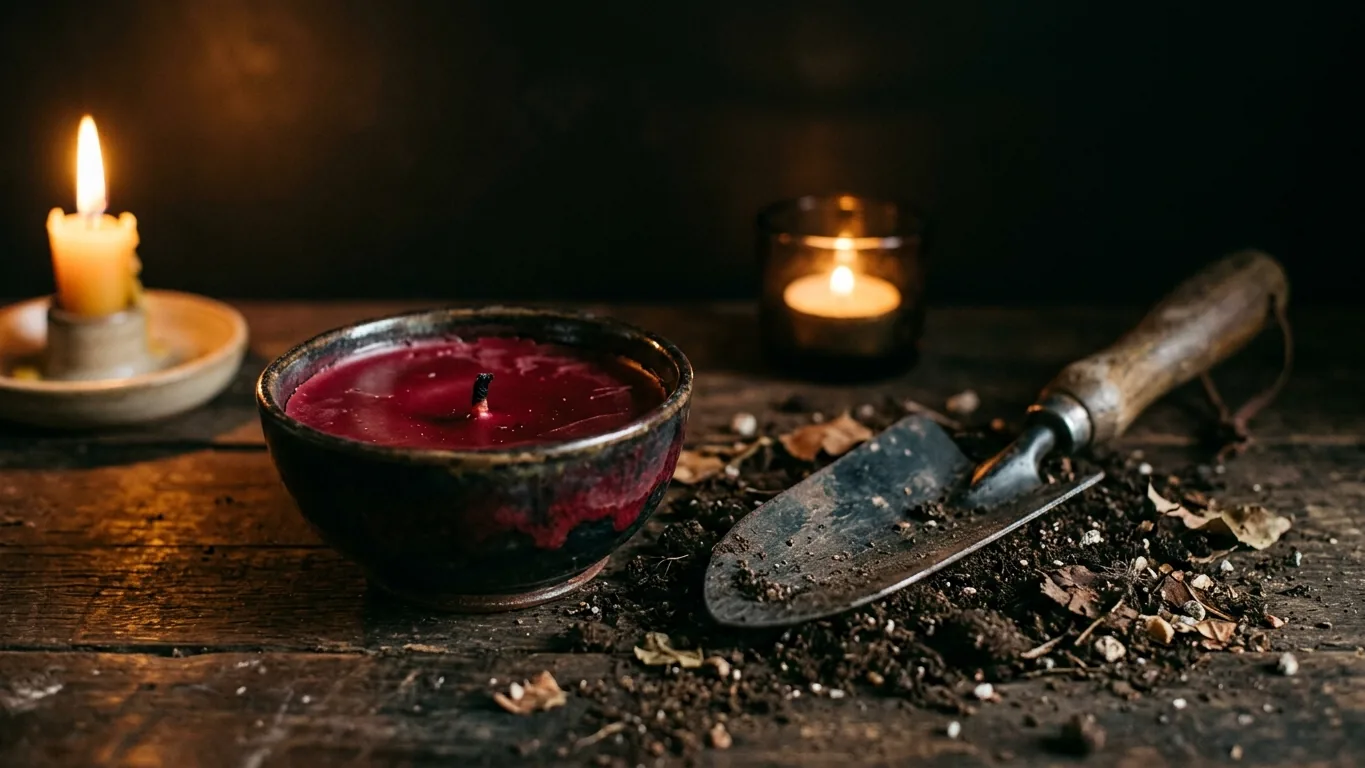
When the candles finish, the remains are handled according to the purpose of the work. Drawing and binding work is often kept, so the bond stays close. Clearing work is sent away, sometimes to running water or a crossroads, so what was removed does not return. Our guide to the crossroads in tradition explains why crossroads matter.
What you do during the ritual
Your part is simple. You are not asked to perform anything, stay awake, buy supplies or travel anywhere. Some clients like to light a white candle at home on the night of the ritual as a moment of focus. That is optional and entirely up to you.
What helps most is staying calm and going about your normal life. Your case tracker shows when the ritual has been performed, with a short note.
How clients often feel on the night
Knowing that your ritual is happening on a particular night can bring up strong feelings. Clients describe a mix of hope, nerves and relief. Some feel restless and cannot sleep; others sleep more deeply than they have in weeks. Some feel close to the person they love, as if they were in the room. Others feel nothing special at all, which is also completely normal and says nothing about whether the work will help.
A few simple things can make the night easier. Keep the evening calm. Avoid alcohol, which tends to lead to regrettable late-night messages. If you like, light a white candle at home for a few quiet minutes and say, in your own words, what you hope for. Then go to bed. The work does not need you to stay up.
What you will never be asked to do
- Send intimate photos, passwords or bank details.
- Put anything in your partner’s food or drink.
- Buy rare ingredients or pay for “emergency” rituals.
- Keep the work secret from a doctor, counselor or the police if you need them.
- Do anything that frightens you or puts you at risk.
If anyone has asked you to do these things, stop and read the scam warning signs.
After the ritual: aftercare
You receive aftercare notes written for your case. They cover what to do and avoid in the days after, how to recognize the first signs, and when to check in. In general: stay calm, do not chase, write down signs with dates, and keep the work private. The aftercare guide and our post what to do after a love spell is cast go into detail.
Most clients see the first signs within 3–7 days. If you don’t, you get a full refund under the Refund Policy. Our post on signs a love spell is working lists what to watch for.
How rituals differ between types of work
| Work | Main materials | Usual timing |
|---|---|---|
| Return | Red candles, petition, honey | Waxing moon |
| Sweetening | Honey jar, pink candles, herbs | Waxing moon |
| Binding | Red cord, knots, candles | Near full moon |
| Clearing | White and black candles, salt, herbs | Waning moon |
| Love candle | Paired or figure candles | Waxing moon |
How this compares with a Vodou ceremony
If you have seen footage of a Haitian Vodou ceremony, you may picture drums, dancing, songs and spirit possession. Those are real parts of Vodou, which is a community religion practiced in temples with priests. Baba Ali’s love rituals are different: private, altar-based work within a Senegalese lineage, performed on a client’s behalf. They share materials and ideas with Vodou and Hoodoo, but they are not Vodou ceremonies. Our post Voodoo vs Hoodoo vs Santería explains the differences.
After the ritual: the first days
Once the ritual is done, the most useful thing you can do is let it work. That sounds passive, but it is harder than it looks. The urge to check their profile, send a message “just to see” or ask friends whether they have mentioned you can be strong. Resist it where you can. Most early signs come to people who are calmly getting on with their lives, not to those watching every screen.
Use the time well instead. Sleep and eat properly. See friends. Start a short signs journal, one line a day. If you want a small ritual of your own, a gentle cleansing bath or a few minutes with a white candle can help you feel grounded. And if something happens, good or bad, tell Baba Ali. That is what the check-in is for, and a short honest update is far more useful than a long worried one. Include the date, what happened, and how you responded, so the picture stays clear.
Privacy throughout
Everything you share is private. Your request is encrypted when it arrives, only Baba Ali can open it, and it is deleted automatically after 12 months. You can delete it sooner from your case tracker. Nothing about your case is ever posted or shared. The client rights and privacy guide explains exactly what is kept.
Is a ritual right for you?
If there is still a real bond between you and the person you love, and the situation is safe, a ritual may help. The first step is always the free reading. Start with Voodoo Love Spells or a love reading.
Questions about voodoo love rituals
Do I need to be present for the ritual?
No. The ritual is performed at Baba Ali’s altar on your behalf. Distance does not weaken it.
Is there any blood or animal sacrifice?
Baba Ali’s love rituals use candles, honey, herbs, cords, water and prayer, as described on this page.
Can I watch the ritual?
The ritual is private, as in most traditions. Your case tracker shows when it has been performed.
How long does the ritual take?
The main ritual is done in one night, and candles often burn over several nights after that.
Will the other person feel anything?
They may find themselves thinking of you more or feeling drawn to reach out. They will not know a ritual was done.
Do I need to send a photo or personal item?
No. Your first name and date of birth, the other person’s first name if you choose, and your story are enough.
Can the ritual be repeated if needed?
Sometimes a later stage, like binding after return, is suggested. Nothing is repeated or added without being explained first, with its materials and cost.
What if nothing changes?
Most clients see the first signs within 3–7 days. If you don’t, you get a full refund under the Refund Policy.