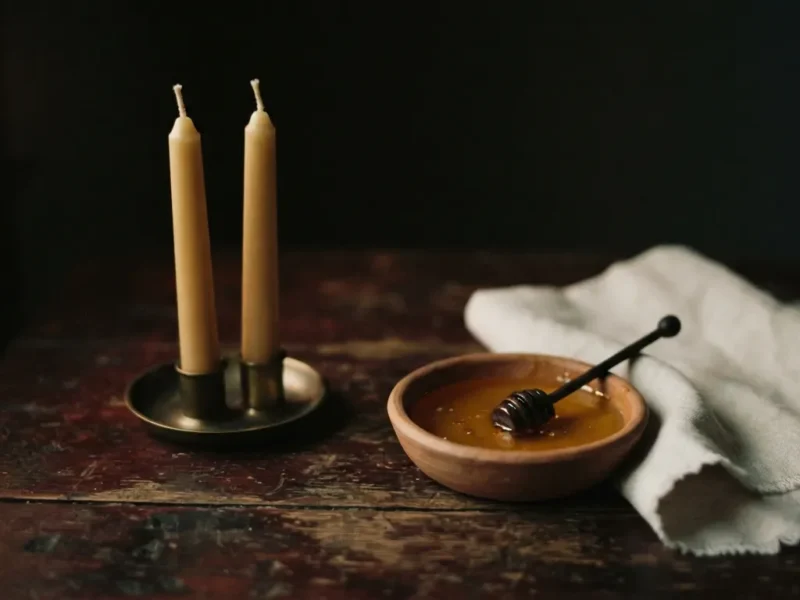
A reconciliation ritual for emotional healing is not mainly about the other person. It is about what a rift has done to you: the replaying of the last conversation, the tight chest at three in the morning, the anger that arrives out of nowhere and the grief that arrives right behind it.
The ritual gives that weight somewhere to go. Often, once it has somewhere to go, the question of what to do about the relationship gets clearer on its own.
In Baba Ali Musa’s practice, which draws on a Senegalese ancestral lineage and more than thirty years of work with people in pain over love, the first conversation is almost never about spells. It is about what happened, what the person is carrying, and what they want the next month to feel like. The practices below come from that starting point. They are quiet, they cost very little, and every one of them is safe to do alone at home.
This guide covers journaling, a cleansing bath, a candle practice, a water ritual, and a write-and-release exercise, then how to join them into a week. It also covers harder situations (an ex who has moved on, no contact, long distance), the signs that you are actually healing, and where a therapist or a consultation fits. For the broader picture of spiritual reconciliation work, see the reconciliation spells guide. This page stays on the reflective, do-it-yourself side.
Reconciliation Rituals for Reflection, Healing and Renewal

The word “reconciliation” gets used in two ways, and mixing them up causes a lot of disappointment. The first meaning is outward: two people coming back together after a split or a fight. The second is inward: making peace with what happened, with your own part in it, and with the version of yourself who got hurt. A reconciliation ritual for emotional healing works on the second meaning first. If the first one follows, good. If it does not, you are still better off than when you started.
That order matters for a practical reason. A person who reaches out to an ex while furious, flooded or desperate tends to say the thing that closes the door further. A person who has spent a week settling their own nervous system tends to write a short, honest message, or decides not to send one at all. Both are wins.
A ritual, in this tradition, is simply a deliberate act done with attention: a candle lit on purpose, water poured with a stated intention, words written and then let go. Nothing in it requires belief in a particular system. People who come to it as skeptics often report the same thing as people who come with faith, which is that doing something physical and slow with a heavy feeling changes the weight of it. Psychology has its own explanation for that, and we will get to it. The traditional explanation is that you are tending the bond and tending yourself at the same time. Both descriptions can be true.
What a reflective ritual does not do is act on anyone else. It does not reach into another person’s mind, and it does not remove anyone’s choice. No practitioner can promise a fixed outcome, and anyone who does is selling you something. What these practices can do is settle your own heart, clear the static, and put you in a better position to decide what you want and how to ask for it.
Before You Begin: Setting Up Safely
Choose a time when you will not be interrupted for at least thirty minutes. Late evening works for most people, since the day’s noise has died down, but a quiet Sunday morning is just as good. Turn your phone face down or into another room. If you tend to check your ex’s social media in the gaps, put the phone somewhere you cannot reach without standing up.
Do a short mood check first. Ask yourself where you are on a scale from calm to flooded. If you are barely holding together, skip the heavier practices below (the letter, in particular) and start with the bath or the water ritual. If you feel numb, journaling is usually the gentlest way back in.
A few safety basics apply to everything on this page:
- Never leave a burning candle unattended, and keep it away from curtains, paper and hair. Put it on a heatproof dish.
- Do not light a candle in or near the bath. Use a battery light if you want a soft glow.
- Patch-test any herb, salt or oil on a small patch of skin first, and skip herbal baths if you are pregnant, have sensitive skin or take medication unless your doctor agrees.
- Keep a glass of water nearby. Emotional work can leave you tired and a little shaky.
- If a practice stirs up more than you can handle, stop. Stopping is part of the ritual, not a failure of it.
If you are having thoughts of harming yourself, please skip the ritual and call or text 988, the Suicide and Crisis Lifeline, which is free and open at all hours in the United States.
Ritual One: Journaling to Name the Rift

Journaling is the foundation, because you cannot release what you have not named. Most people who are hurting have a loud, tangled story in their head that has never been written down in order. Putting it on paper makes it finite.
There is research behind this. Harvard Health Publishing describes expressive writing, in which people write about their thoughts and feelings around a stressful experience, usually for about fifteen minutes a day over several consecutive days, as a way to organize thoughts, regulate emotion and make meaning of what happened. The same article adds a caution worth taking seriously: it suggests waiting a month or two after a traumatic event, since writing too soon can intensify distress. You can read it at Harvard Health: Writing about emotions may ease stress and trauma. If your rift is very fresh and raw, give it a little time, or use the bath and water rituals first.
Here is how Baba Ali suggests doing it.
- Sit with a notebook you do not mind keeping private. Light one candle if you like. Take three slow breaths.
- Set a timer for fifteen minutes. Write without stopping, without editing, and without worrying about handwriting or grammar.
- On the first day, write what happened as plainly as you can. Dates, words, what you saw, what you felt.
- On the second day, write what you needed and did not get. Be specific. “I needed to be asked about my day” says more than “I needed love.”
- On the third day, write what you did that you wish you had done differently. This is not self-punishment. You are looking for your own part, which is the only part you can change.
- On the fourth day, write what you would say to them if they could listen without defending themselves.
When the timer rings, stop. Close the notebook. Blow out the candle. Do not reread it that night.
After four days, read all four entries once, slowly. Underline anything that surprises you. Many people find that the anger they walked in with has a softer thing underneath, such as fear of being left, shame about something they said, or plain tiredness. That is the material. It is also what a later conversation, with the other person or with a counselor, will need to be built on.
If you want to go deeper into caring for yourself while a relationship is unsettled, the post on self-love rituals covers daily practices for the long run. This guide is narrower: it is about the specific rift in front of you.
Ritual Two: A Cleansing Bath for the Heaviness
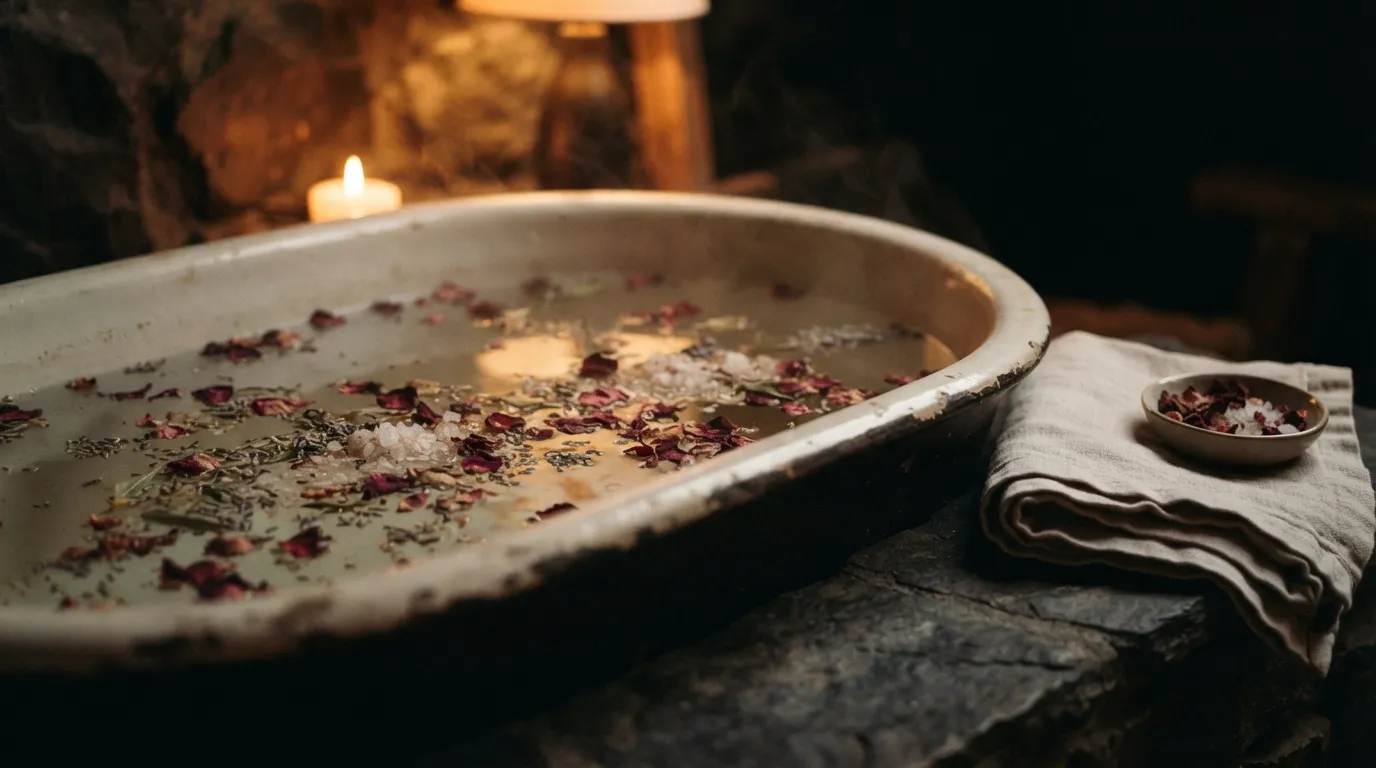
Water has been used for cleansing in nearly every tradition people have kept, and for good reason: warm water on the body is calming in a way that needs no explanation. A cleansing bath turns an ordinary wash into a deliberate act of putting down what you have been carrying.
The full detail, including ingredients, safety notes and how often to bathe, is in the cleansing baths guide. Here is the short version for a reconciliation purpose.
- Run a warm bath, not a hot one. Hot water is stimulating, and you want to settle.
- Add a handful of sea salt or Epsom salt. If your skin tolerates them, add a few dried rose petals for tenderness or a little lavender for calm. Plain salt alone is perfectly good.
- Before you step in, say your intention aloud in one sentence. For example: “I am washing off the weight of this fight so I can think clearly.”
- Soak for fifteen to twenty minutes. Breathe slowly. Let thoughts come and go without chasing them.
- As the water drains, picture the anger, hurt and tension leaving with it. Many people find this image surprisingly effective, perhaps because the body can see it going.
- Dry off, put on clean clothes, and drink water. Avoid scrolling or texting for the rest of the evening.
A shower works too. Stand under the water, say the same sentence, and let it run until you feel lighter. The ritual lives in the intention, not the bathtub.
One honest point: a bath will not fix a relationship, and it is not meant to. What it does is lower the volume. People often tell Baba Ali that the evening after a cleansing bath was the first night in a week they slept through.
Ritual Three: A Candle for Calm and Clarity
Candle work is among the oldest and most widely used practices in love tradition, and its simplest form is also its best for emotional healing. You are not casting anything outward. You are giving your attention a focal point while you think.
For this practice, Baba Ali suggests a white candle for peace and clearing, or a pink one if you want to emphasize tenderness and self-compassion. If you want to understand colors before you choose, the post on candle colors in love magic goes through the traditional meanings, and the candle magic guide covers handling and safety.
- Place the candle on a heatproof dish on a clear surface. Take a minute to tidy the area around it. A cluttered table makes for a cluttered head.
- Hold the candle and say what you are doing in plain words. “This light is for calm. This light is for seeing this situation clearly.”
- Light it. Sit and watch the flame for five minutes without a phone, a book or music.
- Ask yourself three questions, one at a time, with a pause after each. What am I feeling right now? What do I want? What is one small thing I can do tomorrow that moves me toward that?
- Let the candle burn for as long as you are sitting with it. When you are done, snuff it out rather than blowing it, and thank it if that feels natural.
The third question is the one that does the work. “One small thing” might be drinking more water, texting a friend, setting a boundary, or drafting (not sending) a message. Small and doable beats grand and vague. If the candle has a name to it, it is calm, not magic, and calm is what lets you make good decisions.
Repeat this once a day, or every other day, for a week. Notice whether the answers to the three questions shift. If you want something more structured, the love candle ritual is the formal version of this practice, performed on your behalf with a stated purpose.
Ritual Four: A Bowl of Water to Release What Is Not Yours
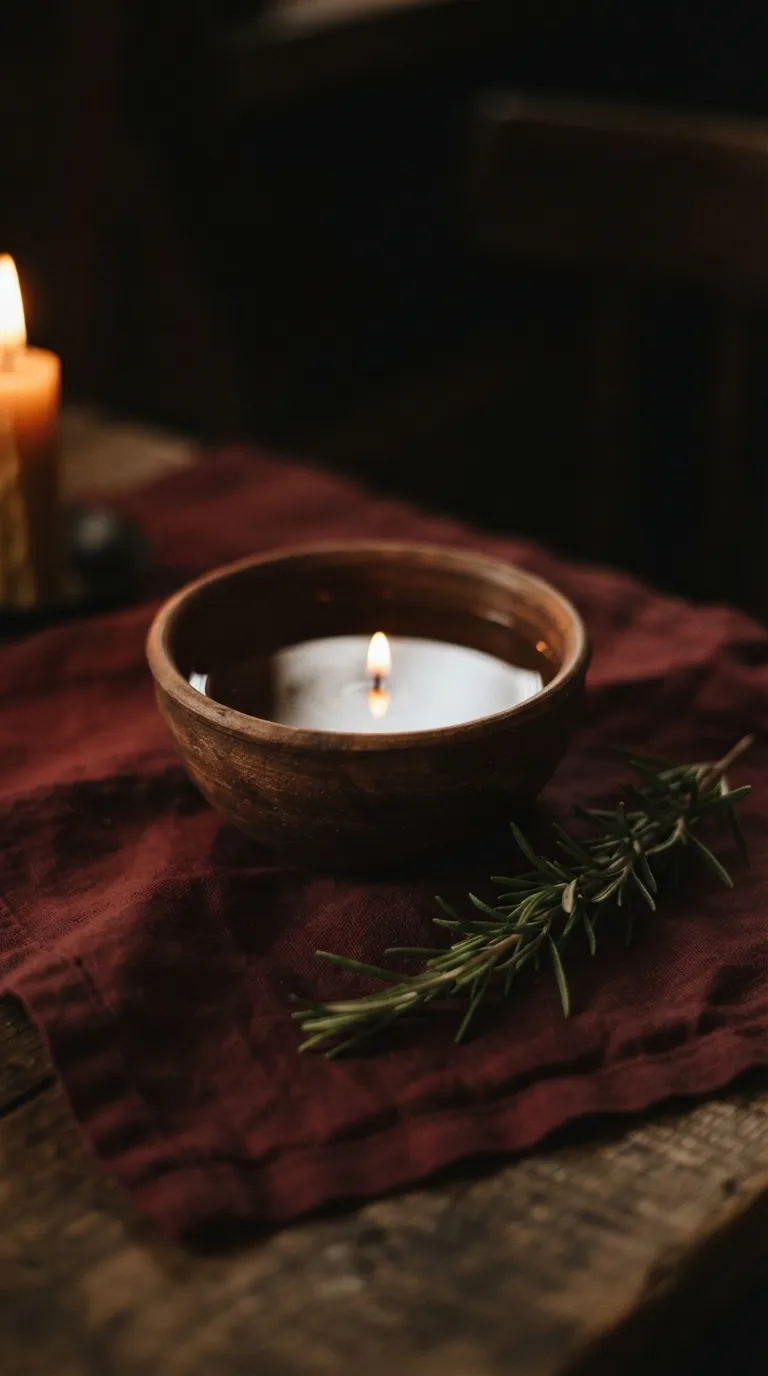
Not every heavy feeling is yours. After a rift, we absorb the other person’s anger, their opinions about us, the things their friends said, and the guilt that comes with being told you were the problem. Some of that is fair. Much of it is not. This water practice helps you tell the difference.
You will need a clean bowl, cool water, and a pinch of salt. A sprig of rosemary or a few lavender buds are optional.
- Fill the bowl and set it in front of you. Add the salt and stir with your finger, clockwise, three times.
- Sit quietly for a minute and look at the surface. Let your breathing slow.
- Think of one thing someone said or did that you have been carrying and that you now suspect is not yours. Say it aloud: “I am putting down what was never mine to hold.”
- Dip your fingertips in the water. Imagine the feeling moving out through your hands and into the bowl.
- Repeat with a second thing if you have one. Stop at three at most. This is not an exam.
- When you are finished, pour the water outside onto the ground, or down the drain if you live in an apartment. Rinse the bowl and dry it.
The most important part is the sorting. You are not deciding the other person was wrong. You are deciding which pieces of this are yours to work on and which you can set down. If you find that most of it belongs to you, that is information too, and worth bringing to a counselor.
A running stream, a lake or the sea can stand in for the bowl if you have one nearby and it is safe to reach. The same words apply. Always put your own safety ahead of the ritual.
Ritual Five: Write and Release a Letter You Do Not Send
This is the heaviest of the five, and it is where most of the emotional movement happens. Wait until you have done the journaling and at least one other practice first, so that you are writing from a steadier place.
The idea is simple. You write the letter you would write if there were no consequences, no reply, and no need to be fair. You say all of it: the hurt, the unfairness, the thing you never said, and also the thing you miss. Then you do not send it.
- Choose a quiet time and a pen you like. Paper is better than a screen, because a screen invites a send button.
- Write “Dear” and their name, and then write for as long as it takes. Do not edit. Cross nothing out.
- If you reach a point where you have said everything, write one last paragraph that begins “What I want you to know is…” and finish it honestly.
- Read it once, aloud, to yourself.
- Release it. Traditional options include burning it safely in a fireproof dish outdoors or over a sink, tearing it into small pieces and burying them in soil, or placing it in a drawer for thirty days and then deciding. Pick the one that feels right, and never burn anything indoors without ventilation and a bucket of water at hand.
Many people are surprised by how much they cry in step four, and by how much lighter they feel in step five. The release is not a symbolic punishment of the other person, and it is not a sign that you have given up. It is the moment you stop carrying the argument around in your own body.
A word on forgiveness, since it comes up so often here. Forgiving someone does not mean you accept what happened, that you owe them contact, or that the relationship has to resume. It means you stop paying rent on the anger. You can forgive and still keep a distance. You can forgive and still say no. The letter helps you find out where you actually stand.
If you find yourself wanting to send it, wait a full week. Then, if you still want to say something, write a new, shorter message that is calm, specific and brief, and do not copy lines from the first one.
Joining the Practices Into One Week
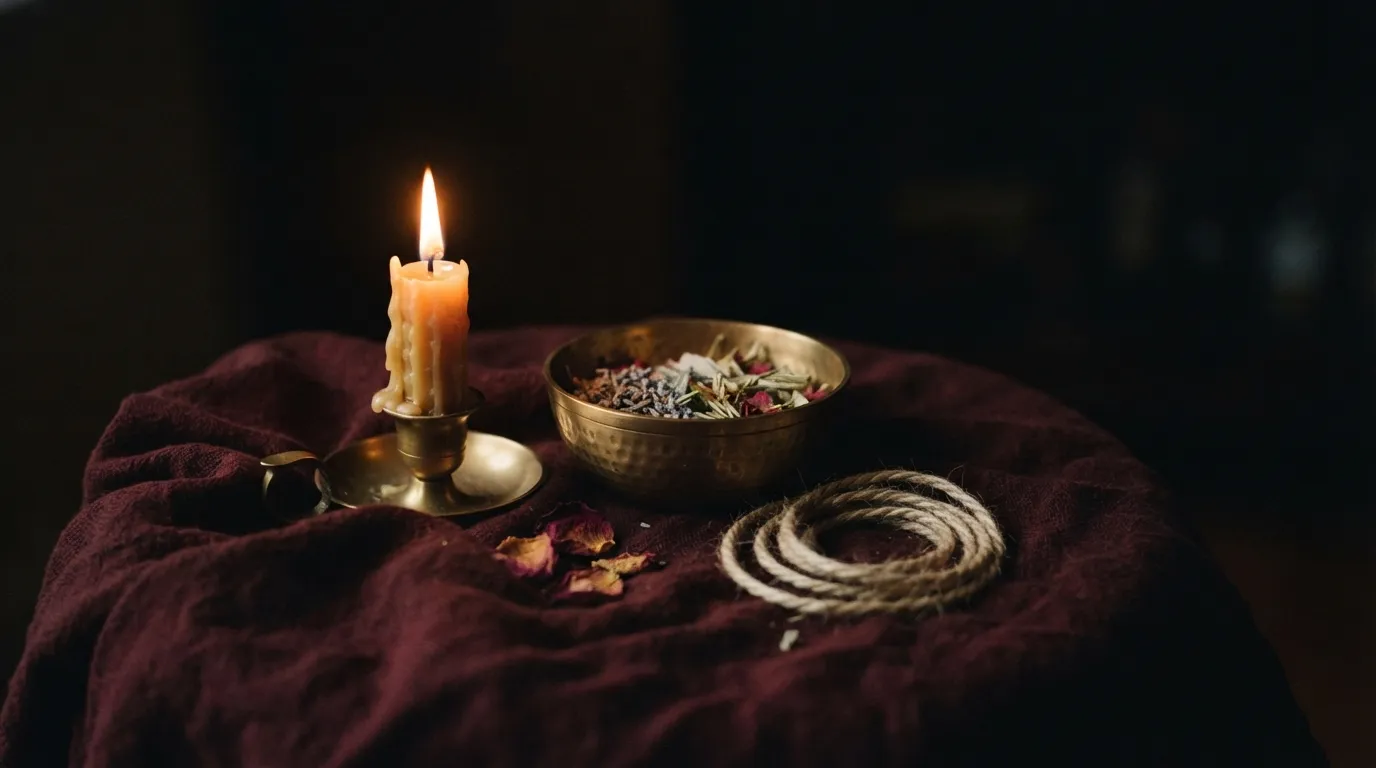
You do not need to do all five in a single night. You should not. Here is a pacing that works for most people, and it can be stretched to ten days if life is busy.
- Days one through four: fifteen minutes of journaling each evening, following the daily prompts in Ritual One.
- Day five: a cleansing bath, followed by an early night.
- Day six: the candle practice with the three questions, and then the bowl of water.
- Day seven: the unsent letter, followed by a slow walk or a quiet meal. Do something kind for yourself afterward.
Keep your normal life going alongside. Eat, sleep, see a friend, go to work. The ritual is meant to fit around your life, not replace it.
At the end of the week, take ten minutes to write down three things: how you feel now compared with day one, what you now know about your own part in the rift, and what, if anything, you want to do next. Some people discover they want to reach out. Some discover they want to heal alone for a while. Both answers are a good outcome. The goal was never a particular result. It was a clearer head.
When the Situation Is Harder Than a Quarrel
Many people reading this are not dealing with a simple argument. A few of the most common complications, and how to adapt the practices:
If your ex has moved on, the journaling and the letter are especially useful, because you are grieving a door that has closed on your side, whether or not it has on theirs. Use the water ritual to separate your grief from your assumptions about their new life, which are often wrong and always painful. Skip any practice that involves checking on them. There is a fuller discussion in the post on what to do when your ex has moved on.
If you are in no contact, whether chosen or imposed, keep it. These rituals are meant to run alongside that silence, not to break it. The days when you most want to message are the days to light the candle and write instead.
If you are in a long-distance relationship, the practices work the same way, and you can even do them on a shared call at the same hour if you both want to, with each person doing their own journaling in their own room. Do not turn it into a way of applying pressure. It only works if both people come willingly.
If you are still angry, do the bowl of water and the bath before anything else, and leave the letter for later. Anger needs to be moved through the body before it can be moved through the page.
If the rift is with a family member or friend rather than a partner, every practice here still applies. A reconciliation ritual for emotional healing is not limited to romance.
If the relationship involved a partner who monitors you, threatens you, or refuses to accept “no,” please step away from any idea of reconciliation for now and call the National Domestic Violence Hotline at 1-800-799-7233, which is free and confidential. Safety comes before any spiritual work.
Signs You Are Actually Healing
Because the goal here is inner, the signs of progress are inner too. Look for these over a few weeks:
- You can think about the rift for a few minutes without your stomach dropping.
- You catch yourself rehearsing arguments less often, and when you do, you stop sooner.
- You can name your own part in what happened without either denying it or collapsing under it.
- You sleep better, or at least wake up less often in a panic.
- You feel less urgency to get a reply, and more interest in what you actually want.
- When the other person comes to mind, there is sadness, or tenderness, or neutrality, rather than a flood.
Signs that are not signs: a dream about them, a song on the radio, a notification that turns out to be nothing, a number that keeps showing up. Superstition fills the gap when we want an answer, and it can keep you stuck waiting. Trust what changes in you, and what you do about it, rather than coincidences.
Setbacks are normal. A birthday, an anniversary or a mutual friend’s wedding can bring everything back. When it does, return to the first practice that helped and repeat it. You are not starting over. You are using a tool you already own.
When a Ritual Is Not Enough: Professional Help
Home rituals are good for tending your own heart. They are not a substitute for care when care is what you need. If you notice any of these, please talk to a licensed therapist or counselor:
- You cannot function at work or school, or you are not eating or sleeping for several days.
- Your grief or anger has lasted months without easing.
- You have thoughts of harming yourself or someone else. In the United States, call or text 988.
- The same relationship pattern keeps repeating across partners and you do not understand why.
- The rift involves betrayal, a significant loss, abuse or an addiction.
If both of you want to repair the relationship and are willing, couples counseling can help in ways no ritual can, because it builds communication habits you will both use every day. Baba Ali has no quarrel with therapy and often recommends it alongside spiritual work. The two are not rivals. A counselor helps with the practical and psychological sides, and the ritual helps with the part of you that wants a ceremony, a pause and a sense of meaning.
Where a Consultation Fits

Sometimes people do the practices above, feel steadier, and still want more. They want to talk to someone who has sat with a lot of these situations, who can look at their particular case and say what is realistic. That is what a consultation is for.
A love reading consultation is a conversation and a reading, not a sales pitch. Baba Ali listens to what happened, tells you honestly what he sees, and tells you if he thinks the situation is better handled with time, with counseling or with a boundary than with spiritual work. If the case involves coercion, abuse or someone who has clearly said no, he declines it.
If, after the reflective practices, you want ritual work done on your behalf, there are a few options, and they differ in focus.
- The reconciliation spell is for situations where there is still a real bond but hurt, silence or pride is in the way. It aims at softening the obstacles so a conversation becomes possible.
- The heal a broken relationship work is broader, and suits situations where trust has been damaged on both sides.
- The uncrossing and cleansing for love is a deeper version of the cleansing bath, aimed at clearing what has built up around you.
None of these removes anyone’s choice. They do not pressure anyone, and the other person remains free to say yes or no. Baba Ali is direct about that, because it is what keeps this work honest.
On results: Money-back guarantee: no change within 7 days, full refund. The full terms are on the Refund Policy page. Read them before you decide, and ask any question you like first.
The right order, for most people, is to start with the reflective work in this guide, give it a week or two, and book a consultation if you still want a second pair of eyes. You lose nothing by starting quiet and at home.
Common Mistakes With Reconciliation Rituals
A few patterns come up again and again.
The first is doing the ritual in order to get a text back. If you light the candle and then check your phone every ten minutes, you have turned a healing practice into a slot machine. Do the practice for yourself, and let what follows be a bonus.
The second is doing too much at once. Five rituals in one night is a recipe for exhaustion. Pace yourself. Slow is faster here.
The third is skipping your own part. Rituals that only ask what the other person should change are not healing practices. They are grievance practices. The journaling prompt about your own part is the most uncomfortable one, and usually the most useful.
The fourth is mixing in contact too early. A reflective ritual followed by a long, emotional message sent at midnight undoes the work. Wait. Draft it, sleep, and decide in the morning.
The fifth is using ritual in place of a real conversation, a boundary or a decision that is overdue. Ritual can prepare you for those things. It cannot replace them.
The last is expecting a straight line. Healing goes in loops, and some weeks feel worse before they feel better. That is not failure. That is how grief moves.
A Short Closing Practice for Any Evening
If you only remember one thing from this guide, make it this small practice, which takes ten minutes and can be repeated whenever the feelings rise.
Light a candle. Take three slow breaths. Say, aloud or silently: “I am not asking for an answer tonight. I am asking for peace.” Then sit until the candle has burned down a little, or until your breathing has slowed, whichever takes longer. Blow it out, or snuff it, and go to bed.
That is a reconciliation ritual for emotional healing in its plainest form. It asks for nothing from anyone but you, and it leaves every door open.
Related reading: Communication Spells for an Ex: Reopening the Door to Conversation.
Questions About Reconciliation Rituals for Emotional Healing
What is a reconciliation ritual for emotional healing?
It is a deliberate, quiet practice, such as journaling, a cleansing bath, a candle, water or a written letter, done to settle your own emotions after a rift. It works on you first. Whether the relationship resumes is a separate matter that depends on both people.
Is it safe to do these rituals at home?
Yes, with ordinary care. Never leave a candle unattended, patch-test any herbs, avoid herbal baths if you are pregnant or on medication unless your doctor agrees, and stop if a practice overwhelms you. If you are having thoughts of harming yourself, call or text 988 instead.
Will a reconciliation ritual bring my ex back?
The home practices are not designed to act on another person, and no honest practitioner can promise that outcome. They help you think clearly, calm down and decide what you want. If you want ritual work aimed at the relationship itself, that is what the reconciliation spell consultation is for.
How long should I do these practices before expecting a change?
Most people notice they feel lighter after one or two sessions, and a seven-day sequence gives a clearer picture. Deeper grief takes longer, and that is normal. If you feel no better after several weeks, or you feel worse, speak to a therapist.
Can I do a reconciliation ritual while we are in no contact?
Yes, and it is a good time to. The rituals are private and do not involve contacting anyone. Use them in place of the urge to message, and keep the no-contact period intact.
Should I send the letter I write?
Usually not. The unsent letter is for you. If you still want to say something after a week, write a new, shorter message that is calm and specific, and consider showing it to a trusted friend first.
When should I see a therapist instead of, or as well as, doing rituals?
See one if you cannot sleep, eat or work, if the pain lasts for months, if you have thoughts of self-harm, or if the rift involves betrayal, abuse or addiction. Rituals and therapy work well together, and Baba Ali often recommends both.
What does a consultation add beyond the home practices?
A consultation gives you an honest outside view of your particular situation and, if it fits, ritual work done on your behalf. Baba Ali will also tell you if time, counseling or a boundary is the better route. Money-back guarantee: no change within 7 days, full refund. See the Refund Policy for terms.